Categories
Health Nutrition Performance Recovery Sports Nutrition

Is Intermittent Fasting A Good Idea For Athletes?


Intermittent fasting has undoubtedly come to the forefront over the past few years, and more and more, I am getting asked by athletes whether I think intermittent fasting is a good idea? One needs to ask, what is your reasoning for doing intermittent fasting? I mostly hear athletes telling me that they want to lose weight, lean out, become more fat efficient, or improve health. I guess the big question is, what is your actual goal? Are you trying to lose weight? Are you trying to improve your previous best marathon or Ironman time, or are you just doing it for health reasons?

Firstly, it’s a fact that intermittent fasting is a form of calorie restriction. So if you can restrict calories by fasting, why can’t you limit calories by eating correctly? When you place your body into a fasted state, you begin playing with leptin and ghrelin hormones. The inability to balance these hormones properly due to overeating or fasting can cause roller-coaster effects that do not serve the intended purpose. If trying to limit the insulin response by placing yourself in a fasted state is the objective, you should know that this can also be done in a non-fasting state.

The main question, though, is, why would you even consider fasting as an active individual or an athlete? 

Weight loss comes from eating correctly, meaning a calorie-restricted diet and proper macronutrient intake to support your unique requirements. Lean muscle gain also comes from eating correctly and ensuring proper macronutrient intake daily. I am just trying to stress how vital nutrition is for fat loss, muscle gain, and maintenance. However, what about energy, immunity, recovery, and performance as an athlete. Intermittent fasting does not support those systems. Quite the opposite, it will hamper the recovery process, limit your energy levels, and place your immune system under additional stress. 

Let me explain to fully understand the consequences of intermittent fasting while trying to be the best possible healthy athlete.

RECOVERY

When it comes to recovery, there are three main aspects that I look at, and these are:

  • Rehydration
  • Muscle Protein Synthesis
  • Glycogen Restoration and blood sugar stabilization

If an athlete embarks on intermittent fasting, then rehydration and adequate fluid intake will not be an issue. The main problems will arise regarding muscle protein synthesis and glycogen replenishment. Adequate protein intake for any athlete is essential for recovery. Generally, I work on around 1.4g – 1.7g of protein per kilogram of body weight for endurance athletes. Then, for lean muscle increase or strength athletes, the protein volume can quickly move to 2g/kg body weight and higher. The volume needed will depend on the athletes’ goals and exercise regime. 

Strength work and developing more lean muscle will require a higher protein intake, while maintenance and repair will be lower. 

Take as an example a 70kg athlete who is training on average 90min a day. His goals are body fat loss, increased lean muscle, and strength. More of a combination athlete. In this case, I would advise a protein intake of at least 120-130g of protein per day. In animal nutrition terms, 5 chicken breasts or plant terms 2kg of boiled lentils. That is quite a lot of food in protein terms. Most intermittent fasters deploy a 16:8 window which is quite long. It means squeezing this protein intake into a small amount of time.

However, as we know, when it comes down to protein, the human body can only process and absorb a certain amount of protein every +-3hrs. This is generally in the region of +- 8-11 grams per hour. If you are a plant-based eater, you will expect severe GI distress in consuming a high amount of plant protein in a short window period as fiber content is a lot higher. So, as you can see, it’s not possible to squash large protein portions into fewer meals and expect the correct portion amount for proper muscle protein synthesis to take place. Overeating protein can also trigger elevations in blood sugar, easily leading to weight gain. We also know that consuming a protein with a carbohydrate post-exercise up-regulates amino acid uptake, specifically leucine, a significant trigger for muscle protein synthesis. 

What also allows for proper muscle protein synthesis is a positive nitrogen balance. Nitrogen is the most crucial component of amino acids, which are the building blocks of protein. This means that if you are fasting, the amount of nitrogen excreted from the body is greater than the amount of nitrogen ingested, and there is no repair work taking place. It places you in a catabolic or breakdown state. This means limited training adaptations and limited progress. 

EATING FOR ENERGY

The next aspect I want to look at is the energy system, our primary fuel tanks being glycogen and fat. Glycogen is our rocket fuel used at higher intensities, while fat becomes the fuel of choice in lower aerobic zones. 

A hard workout where glycogen depletion takes place will require carbohydrate intake post-exercise to start the glycogen replenishment process and stabilise blood sugar rapidly. This would often result in high muscle damage, meaning protein intake also needs to be considered after exercise. Extending the fasted period a few hours post-exercise will delay the recovery process, leading to fatigue. This will also hamper back-to-back sessions. Then when it does become time to break the fast, how do you know how much to consume in carbohydrates and protein. The body has requirements from a macronutrient perspective and post-exercise stresses, which must be met to ensure a proper and healthy recovery. 

When it comes down to the primary energy system, carbohydrates are, without a doubt, our rocket fuel if you are going to be doing an FTP (Functional Threshold Power) test or an interval or track session. Then how can you expect to achieve the best possible numbers without fuelling the session properly? Pushing those sessions to the best possible effort will ultimately lead to better gains and more fat burning post-exercise by elevating the metabolic rate that much more. It has been scientifically proven that a fuelled session will give better performance numbers. Better performance numbers equate to better training adaptations.

When it boils down to performance gains and being a fitter, faster and stronger athlete, you need to fuel your effort. Fuelling during an exercise session or eating post-exercise recovery meals is not why athletes are overweight. Weight gain comes with overeating and inadequate macronutrient meal construction throughout the whole day and week. 

The Fat Efficient Athlete

To become a fat-efficient athlete, intermittent fasting is not required. Fasted training is a good way of developing this, but that is entirely different from intermittent fasting. A fasted session does require a recovery meal post-exercise, and the volume and type of meal will be determined by the duration and intensity of the exercise session. Failing to recover from an exercise session is, without a doubt, failing the session itself. 

To summarise my views on intermittent fasting and sports performance. They do not go hand in hand. Whether endurance or strength disciplines or a combination of the two, they place a lot of physical stress on the body. This impacts the musculoskeletal system, the immune system, and the energy system. The athlete’s body requires nutrients to fuel, repair, and fortify it constantly. Failing to give the body what it needs will ultimately lead to a lack of performance and potentially illness or injury.

If you want to perform, get stronger, lean out, and get your resilient engine and body, then learn to eat correctly and avoid shortcuts that don’t benefit those goals.

If you are only trying to lose weight or have a medical condition that requires a calorie-restricted diet, then intermittent fasting can play a role. However, if you are an athlete intent on being the best version of yourself, get your nutrition right and stop playing games. 

Mark Wolff is a preventative health specialist with a physiology, chemistry/blood chemistry, exercise physiology, and nutrition background. He has been consulting in this space for more than 25 years, focusing on endurance and strength athletes. Working with professional and amateur athletes in various sports disciplines and people just wanting to change their lifestyles, Mark believes that a person can only reach their full potential when the foundation of health is given the proper focus. Mark places a significant emphasis on recovery, immune system and metabolic health, emotional stability, stress management, and performance.

Categories
Uncategorized

REFLECTIONS OF A PANDEMIC YEAR

I am going to start this post with a very short descriptive sentence “2020 was an absolutely f’ed up year” and I am sure most of the worlds population feels that way. On a personal note this has been an absolute roller coaster ride and I am the kind of individual that does not take kindly to situations that are out of my control. I am an analytical person that thrives on statistics, numbers, predictions and strategies with predictable and achievable end goals and outcomes. Well this year took all of that knowledge and know how and just threw it on its head which made it a very challenging one.

2020 was the start of what felt like a movie except we are the main characters. Thrown into a complete lockdown for which was basically our peak of summer and racing season it suddenly became a psychological battle for most with the inability to venture outdoors even to train. Some of us were more fortunate in that home gyms and indoor training equipment made it possible to continue exercising however the difficulty for most was the motivation factor with no known goals as events were postponed and cancelled. Over and above that financial worries set in with many. Income sources were burned out and many companies were put into red zones of retrenchment and the inability to support their loyal staff. In some cases like mine with airports shut down and travel restrictions as well as the cycle of lockdowns across the globe, I was unable to see my children. Its now nearly been nearly a year since I have seen them last. Simple things we took for granted now became unachievable.

It sounds like an entire year of doom and gloom, and there are still unkowns, however as the year went on I started to find some light in the situation. I noticed that what many take for granted slowly started to come to the forefront of importance.
There is a proverb which goes “he who has health has hope, and he who has hope has everything”. Its a quote which has stuck very close to me for more than twenty years. I have mentioned in the past that in my twenties I fell victim to a virus which pretty much threw my entire world into chaos. It did not leave me alone and for years I battled with the ups and downs of reinfections and long lasting bouts of post viral and chronic fatigue. It took an enormous amount of focus and effort to take back control and over many years of studying and knowledge gaining eventually I was able to turn the tables. I managed to get to a position where those tables could never turn back. I could never let my guard down ever and I needed to ensure I had my nutrition, sleep and exercise routines completely down packed. It was never perfect but over many years of gaining more and more knowledge and tweaking here and there I finally became a master of my own health.

When Covid hit I was more determined than ever to make sure that health came to the forefront for myself, my family, friends and all the athletes I work with. It was the only weapon we had in such an unkown situation. Exercise continued, nutrition became a lot more focussed and easier due to constant kitchen access. Gaining proper sleep was pretty easy with no need of having to get up at the crack of dawn to travel. When lockdown eased later in the year Covid struck rampantly and my wife and I landed up contracting the illness. We didn’t know what to expect and took it one day at a time. Symptoms set in with what seemed to be a sinus infection and fatigue and every day was a different story. We didn’t suffer with fevers or lung function issues just severe headaches, some muscle aches and lingering fatigue. Exercise stopped completely and we focussed on nutrition and sleep.

I must admit it was a roller coaster ride not knowing what to expect from one day to the next, it didn’t feel natural and symptoms changed here and there but my wife and I both agreed we had been way sicker in our lives with previous infections.
After the 14 day quarantine period we still felt lingering viral fatigue but straight off to the physician for a full medical and some drips to help with the post viral oxidative stress. Bloods were completely normal for my wife and mine were a little out with hyperferritnemia and elevated liver function. Covid is known to impact iron so that would have explained it. However me being mainly plant based it did not elevate it much at all. Liver function could have been due to meds or it could have flared up my previous infection which was associated with liver function issues. The knowledge of being able to deal with these issues as well as working with an exellent physician as a sounding board made it pretty simple to get back on track. The post viral fatigue faded over the next two weeks and once the cardiologist gave the green light it was back to proper training and getting back on track.

The more and more people I engaged with that had caught Covid the more I realised that there was a pattern forming. The young were not being affected as much as the elderly. Those that were generally in good health tended to overcome it pretty well and get back to normality quite quickly. Many that I know who have not really looked after their health, have overtrained or exerted themselves a lot, sacrificed on sleep and nutrition or with underlying conditions etc seemed to be far worse for wear and battled through the illness. So much confusion also hit the medical fraternity never really knowing what to expect when patients contracted the illness. Then there were even those who were very ill who tested negative for Covid and that threw even more confusion into the works. As the year dragged on and the more people I came into contact with who had contracted Covid the more it became clearer and clearer. Health is the surely greatest form of wealth.

I had this thought that when we are young we have these immaculate immune systems which function at their optimal and as we age we can either nurture them or damage them. Most of the world damages their health. Poor nutrition choices, processed foods, junk food, lack of exercise, poor sleep, working around the clock and additional stress factors do not bode well for a healthy individual but rather weaken the body and make it more susceptible to illness.

I am currently on an athlete blood chemistry course with some top docs and scientists who in their eccentric nature love the numbers just as much as I do. I remember one lecture clearly which focussed on a cluster of over 32 scientific research reports discussing nutrition and blood markers. The doc threw a sentence out there saying unfortunately the research we are looking at was carried out with a population where over 90% of the participants are obese. Taking into account other factors that basically means 98% of those participants are unnhealthy. In short the results of this science cluster in all likelihood cannt be applied to a health athlete.
Why was this a big eye opener? Simple the majority of the world is unhealthy. Many have done damage to themselves over time resulting in long term health issues or medical conditions. The problem with an illness like Covid is that it has no mercy on these individuals. Some will get away but many will not and this is the frightening reality of the situation. Statistics of illness and death rates caused by Covid again is spread across a globe of predominantly unhealhy individuals.

World health day ,Stethoscope wrapped around globe on pastel blue background. Save the wold, Global health care and Green Earth day concept

As the year comes to a close with potential treatment methods in the form of a vaccine and much more knowledge on the situation at hand. I can only but utter that for all of you out there who have not contracted Covid now is the time to realise you were given an opportunity light. You are given the chance to truly focus on your health and build it like you have never built it before. Do not become complacent because this is not gone and there is no guarantee that it cannot happen again. Those who have had Covid and experienced the suffering and those who have lost loved ones truly realise the harsh nature of what many have had to face and experience this terrible year. You are the ones that truly know the value of what it means to have health and hope. Many have become complacent and many are just waiting to be vaccinated to end this nightmare. However we unforuntatly know there are never quick fixes in life and I urge you all to hang on to your health with everything you have. Respect it, nurture it, look after it and fortify it for without health there is no hope and without hope there is nothing.

Many blessings for 2021
yours in health always

M

Mark Wolff is a certified exercise & sports nutritionist, endurance nutrition and physiology expert with over 20 years experience. An endurance multi-sport athlete with a running, triathlon, mountain biking and weight lifting background, he works extensively with professional and amateur athletes in a variety of sports disciplines as well as those just wanting to change their lifestyles. He firmly believes that a person can only reach their full potential when their health and nutrition is given the proper focus. Mark’s focus on nutrition and physiology is not just on training and racing, but he places major emphasis on recovery, immune system health, emotional stability, stress management and performance. Mark is co-founder of 32Gi, a sports nutrition company, focused mainly on health and endurance nutrition. He is also co-founder of Rapid Recover focused on pneumatic compression equipment to improve circulation for recovery, rehabilitation and health.

Categories
Health

9 WAYS TO COMBAT LOCKDOWN EATING

LOCKDOWN – YOUR GAIN OR LOSS

CLICK HERE to see how Mark can personally help you

During the global Covid-19 pandemic most populations have been or are in some form of lockdown, there has been a growing concern to manage nutrition properly and ensure health, proper weight management, as well as to stay in top shape.

There are several genuine and valid concerns.

Firstly, before lockdown occurred most people were leading consistently active lifestyles. Gym visits and outdoor activities such as running, and cycling were routine. Calorie burn rates were up nicely due to a higher and consistent volume of training.

Then, for many it came to a grinding halt. The minute your training intensity and volume drops so too should your calorie intake to fall in line. Eating more calories than you burn off will absolutely lead to weight gain. 

Over and above this lockdown has left people more sedentary than their normal daily routines. Driving around, walking to meetings and general office run arounds such as shopping and walking around for longer periods of time which add to calorie burn rates have also dropped significantly.

There is way more lounging around and frequent kitchen visits have become part of the normal daily routine. Emotional stability has been thrown out of whack due to the uncertainty of what lies ahead. Stress levels are on the rise for many and in a lot of cases depression has started to emerge.

This has led to emotional eating for a lot of people. Easy kitchen access and comfort foods has exaggerated the situation even more. Sleeping problems and elevated stress levels also play a part in this emotional roller coaster ride many of the world’s population is currently on. 

It’s not an easy situation by any means. However, there are some ways to manage it and emerge in a healthy state.

The Power of Exercise & Nutrition

EXERCISE:
No matter your circumstances whether indoor training equipment or not this is the time for adaption. Human movement including some strength training is vital from a health perspective. There are plenty of creative ways to mix it up from body weight strength and core exercises to simple intensity interval sessions.

If you have access to indoor training equipment such as treadmills, smart bike trainers and weights then there is no excuse for keeping it up. It does not take a lot to prevent muscle atrophy and just doing at least thirty minutes of exercise daily is sure to keep your body happy physically and mentally.  

NUTRITION:
As mentioned earlier nutrition is numero uno in keeping in shape. Not just from a weight management point of view but to also fortify and strengthen the immune system. What you put into your mouth each day will ultimately determine how your overall health.

My 9 Top Tips for Managing your Nutrition

1. Avoid the Junk
Keep the processed / junk foods out the house. If its not in the kitchen it is not accessible.
2. Natural is Best
Stock natural whole foods to make wholesome valuable nutrient dense meals.

3. Higher Fibre Low Glycaemic Foods
Aim for higher fibre and lower glycaemic foods to ensure good satiation as well as lowered blood sugar and controlled insulin levels. Incorporate a decent amount of nutrient dense lower glycaemic plant-based foods mainly in the form of vegetables.

4. Plan your Plate
Do not wake up without an eating plan for the day. If you have a structure you will not go wrong. However, if you have not planned your eating for the day you will base your meals on emotion and will just go off the path.

5. Drop the Treats
Treats in the form of sweets or pastries needs to be controlled. Lockdown has left many experimenting and baking away in the kitchen. This will just boost the emotional need for more and lead to a decline in healthy eating potentially promoting weight gain. If you are looking at making treats there are plenty of healthy options out there which are sugar free and low in calories.

6. Overeating Health
Most do not understand how to construct a meal based on proper required macronutrients intake. It is possible to overeat health. Just because the ingredients are healthy does not make your overall meal healthy. Carbohydrates, proteins and fats play an important role in any nutrition planning. Get them wrong and you will land up gaining weight.

7. Portion Control
Instead of large meals at any one sitting. Rather eat smaller meal portions more frequently throughout the day. This is the best way of managing insulin levels and ensuring you do not overeat.

8. Healthy Fats
Fats come in different forms. Avoid all processed fats such as hydrogenated vegetable oils and trans fats. Eat natural healthy fats and try to ensure the majority are unsaturated fats which provide much better health benefits to the body.

9. No Out-Training Bad Nutrition
This will never work. If you can train a lot due to being in lockdown then it does not mean you can out train a bad diet. The opposite. The minute you increase stress on the body due to intense or volume exercise then proper quality food intake needs to come up to help support it. Hard training and poor eating will place your body at risk for injury or illness.

In short, this period has provided challenges to many of us and its by no means easy when curve balls are thrown at us in life. Routines are completely turned upside down and all it requires is adapting quickly. Sitting around thinking about what is wrong does not solve the problem.

When it comes to health quick decisive decisions must be made to preserve and strengthen it. My advice is do not let yourself down you are in complete control. What you do today and tomorrow will set you up nicely for many weeks and months to come. Just give it some planning and focus.

need Mark’s help? Click here

Categories
Health

HARDEN YOUR HEALTH

The last few weeks has seen global efforts to thwart COVID-19 the latest Corona virus strain which is creating momentum worldwide with escalating infection rates. Over the last few days we as athletes have also seen the postponement and cancellation of some major sporting events which as hard a pill as it is to swallow , but its definitely the correct course of action to reduce high a infection risk. Plenty of training and racing goals have been thrown a curve ball and these goal posts have had to be shifted. Personally right now I feel the focus should be on our health and ensuring we are not just responsible for ourselves but for those around us.

The training for us all should continue as we do not just do this for finish line medals and kudos. For most of us it’s a lifestyle and yes racing motivates us to train. However right now we have a much more important motivating factor which should keep us on our toes and that my friends is health. As we stand without a treatment for this virus our only course of action is to boost our own immune systems and make sure that we are in excellent condition to be able to fight off any infection that comes our way.

Training and racing especially as intensity and volumes increase so does immune system suppression which makes us far more susceptible to infection and illness. In line with a real war we are just about to face, I decided to put together a short guide of how we as athletes can strengthen our health and boost our immune systems to be able to navigate this next part of our journey.

WHAT IS YOUR CURRENT HEALTH STATUS
Starting with the basics, it’s always best to get a proper snapshot of your health first. How can you hope to strengthen your immune system if you have an underlying condition? In my line of work I come across many athletes with underlying conditions such as anaemia, insufficient vitamin levels, improper organ function or underlying infections and inflammation. If you have an underlying condition and do not know about it then you basically starting on the back foot and this needs to be addressed first.

What should you do?
A full medical with a nice batch of basic bloods & some additional vitamin and mineral testing to make sure everything is in good order. Remember as an athlete you place your body under stress and if certain levels are on the low end its highly likely that you will reduce them further and impact your health. Vitamin drips in my view are a complete waste of time without understanding exactly what you are treating. There is something called excessive vitamin and mineral dosing and in some cases this can be highly toxic to the body. My advice is to see a medical professional and get it done properly without playing a guessing game. I wrote in a previous blog called Blood’s don’t Lie you can check it out by clicking here.

LISTEN TO YOUR MESSAGES
Once you get the results from your physician its best to discuss them with him or her and make sure everything is in line. Remember you are an athlete not a couch potato. So make sure the physician understands that because some might say your levels are normal. However that is the general population norm. You want to rather be on the upper end of the spectrum not on the lower end due to the amount of stress the body goes through daily. If you do have an underlying condition you have to address it. Athletes are so good at ignoring issues when it comes to injury and illness. Don’t ignore them and adhere to proper medical advice.

NUTRITION
Proper nutrition is absolutely the health fuel for your engine. Healthy nutrition allows the body to fortify and strengthen itself against illness and disease as well as ensure our energy system is kept up at all times. When we make bad food choices we place additional stresses on the body and in times of need when we should be our strongest to fight off foreign invaders this should be kept to a bare minimum. After all our own natural defences are all we have and we need to make sure that they are fortified. Eat nutrient dense meals with plenty of vegetables and fruit and ensure that you are eating properly for your unique needs. As an athlete ensure your calorie intake is not an excessive deficit so that the body gets sufficient nutrients to help with restoration and repair. Carbohydrates often get a bad rap however when it comes down to endurance sport carbohydrates are your fuel king and when it comes to recovery there is nothing that will get your fuel tank recovered quicker than carbs. Remember carbohydrates can come in healthy forms such as fruits and vegetables which are high in anti-oxidants and free radical fighting nutrients. Eat with intent and insure that whatever goes into your mouth has a purpose for strengthening your body.

TRAINING
It’s a scientific fact that exercise boosts the body’s ability to fight off infection and illness. However, one should not over do it. Endurance athletes tend to place huge stresses on the body with intense bouts of volume training. This will certainly place the immune system at risk. Over-training places any athlete at risk to infection. Rather stagger your sessions properly, reduce intensity ratios and volumes and allow the body to fortify itself without over stressing it. With most events now cancelled or postponed do yourself a favour and switch your focus to health especially in these trying times. Get outdoors more and limit your visits to the gyms in order to protect yourself more from infection risk. Most importantly just keep on going.

SUPPLEMENTATION
Alongside a healthy eating regime supplementation can play a beneficial role. I mentioned earlier blood tests can show where there are areas of deficiency and those can be addressed. Right now though our focus is on immune system strengthening and there are a number of supplements which have been shown to aid immunity.

Vitamin C
Its amazing how Vitamin C is at the top of most people’s lists when it comes to immune boosting. However it is not really the king on the list. It is an antioxidant which helps fortify and reduce inflammation however its over estimated by a large amount due to massive ongoing marketing in the supplements sector.

Vitamin D
If someone asks me what to take for immune system strength I will always advocate vitamin D as one of the best immune system defences. Vitamin D can improve immune system responses and a deficiency in vitamin D is associated with increased susceptibility to infection. Research suggests that vitamin D can help reduce the risk of respiratory infections, including colds and flu especially among people who don’t get enough of the vitamin from diet or exposure to sunlight which is most of the population. Athletes tend to train in the early morning hours and many also indoors which limits exposure to sunlight and then again sun creams further limit the body from it. It is worth dosing with vitamin D and a simple blood test.

Wellmune®
This is something you have probably never heard of but it is the bomb. Wellmune®  is a leading natural yeast beta glucan clinically proven to help strengthen your immune system. In a clinical study, marathoners taking Wellmune® for four weeks experienced a 40% reduction in upper respiratory tract infection symptoms. Wellmune® primes immune cells helping them find and kill foreign invaders.Where can you get this ingredient. 32Gi’s new plant based pure protein being launched this week contains the correct dosage of Wellmune® to ensure your immune system is properly fortified. A medically backed natural supplement is absolutely worth taking.

32Gi’s NEW Immune Boosting Pure Protein

Zinc
I think zinc is an awesome mineral . It does help the immune system fight off invading bacteria and viruses and worth dosing to keep immunity up nicely as well as it being good for the skin.

Elderberry
Elderberry is packed with antioxidants and vitamins that may boost your immune system. It can aid the reduction of inflammation, lower stress levels and help protect the heart. It is often advocated in the prevention and ease of cold and flu symptoms.

Probiotics
Probiotics are there to keep the gut healthy and to ensure the immune system functions well. Taken from a peer reviewed research publication it states that probiotics can also modulate the immune system, enhancing the body’s innate immunity. This modulating effect helps alleviate excessive inflammation in the gut, thereby boosting immune function. We know that health gut bacteria is important for proper health and immune system function and there is no harm in dosing with probiotics on a daily basis.

In short there are many avenues we can try to help fortify and improve our immune system function and health. Not all vitamins and minerals have been researched to such an extent that they are conclusively providing the best benefit. We are after all unique and what works for one individual may not work for another. One thing we do know and that is proven, is that proper healthy nutrition, plenty of good sleep and exercise goes a long way to ensure that our body’s remain physically strong and healthy to weather the storms.

all the best

M

Mark Wolff is a certified exercise & sports nutritionist, endurance nutrition and physiology expert with over 20 years experience. An endurance multi-sport athlete with a running, triathlon, mountain biking and weight lifting background, he works extensively with professional and amateur athletes in a variety of sports disciplines as well as those just wanting to change their lifestyles. He firmly believes that a person can only reach their full potential when their health and nutrition is given the proper focus. Mark’s focus on nutrition and physiology is not just on training and racing, but he places major emphasis on recovery, immune system health, emotional stability, stress management and performance. Mark is co-founder of 32Gi, a sports nutrition company, focused mainly on health and endurance nutrition. He is also co-founder of Rapid Recover focused on pneumatic compression equipment to improve circulation for recovery, rehabilitation and health.


Categories
Nutrition

CHANGING THE GAME

I figured with all the hype surrounding the Netflix launch of The Game Changers to my controversial post last week which got praises and shots from quite a few, intentionally I might add. I decided to put my views into a proper perspective to clear up any confusion and put this topic to rest.

If anyone had ever suggested to me 10 to 20 years ago that I would be vegan or completely plant-based I would have laughed it off and put the idea down immediately. Why?

But I love my meat and diary…

Firstly, I loved my meat and dairy and secondly, being an endurance athlete but coming from a strength background would have been against everything I was every taught or learned from a nutrition perspective.

Muscle mass equalled protein which equated to meat. Believe me in my twenties I could easily walk into Scrooges Diner and take on the “Big Challenge”. It was to eat a 42 oz steak, drink a quart of beer or coke, and consume a plate of chips all in under an hour. They gave you a free t-shirt for completing the challenge.

One day I walked in there and my mates set up another challenge for me. Take on a double Scrooges Challenge. I completed the first in 17 minutes, and the second was done in another 18 minutes.

Basically 48 oz of steak, 2 quart of beer, and two plates of chips downed in 45 minutes flat. That was “The Fitness Freak” 28 years ago.

If anyone ever toyed with idea of plant-based, vegan or anything close to it there was absolutely no chance I would have given it a second of a thought. It was completely cast aside as absolutely ridiculous.

When your lifestyle catches up with you

My weight lifting years were a lot about strength and muscle mass gain. However at the same time all the heavy lifting, the long hours of working and poor nutrition eventually took its toll on me.

At age 26 I contracted an illness which knocked me down for months. Not only did it hit me hard, it kept reoccurring year after year. Here I was a strong muscular conditioning expert, yet I could not get out of bed to even make it the bathroom. I had a high fever that lasted for weeks on end, chronic fatigue, and in a world of hurt.

The doctors had absolutely no idea what was going on and I was subject to a daily dose of blood tests, ultra sounds, liver biopsies and possibly anything you can think of. The doctors were completely at a loss.

I couldn’t let this go on. I had come to the sad realization that I had gotten away for years with unhealthy food, work stress, lack of sleep and heavy weights which eventually caused my elastic band to snap. I was afraid, very afraid.

The pinnacle of change in my life

My daughter was only a year old at the time and I was worried how would I be able to be healthy and ensure I could care for and provide. I decided to accept my illness. It’s the greatest thing you can do, because without acceptance you cannot move ahead. You just remain trapped in a world of hurt and pain.

My eventual diagnosed was a viral infection that I had picked up from my daughter, which in normal cases doesn’t wreak as much havoc as it did. I only had myself to blame. I led a less than stellar lifestyle and this was a BIG wake-up call.

To make matters worse, this illness wasn’t ever going to disappear. It had triggered an autoimmune response and regardless of most people developing antibodies to keep it at bay, my body decided during certain times to give into to it and I experienced a few more years of big attacks.

BUT this was the pinnacle of change in my life. I was NOT going to accept this and I was going to find a way of keeping myself strong and the illness away. 

I became an expert of my own body

Nutrition, physiology, anatomy, lifestyle and exercise. I studied, I investigated, I made big changes and I started to become such an expert of the human body with regard to nutrition, exercise, endurance, fitness, health, illness, injury and weight-loss.

But that’s not all, I managed to take all of this and turn it into a lifestyle. A blueprint for a healthy life and creating longevity. The main areas I focused on was of course nutrition, sleep and training.

We all mostly train, we all eat, and sleep. So what is meant by this?

I had to find the exact nutrition my body required for me. The right amount of sleep to ensure lowered stress levels and recovery. AND of course ensuring that I understood exactly the kind of training was needed and how much of it to ensure performance and immune system strength, but not too much to cause the opposite effect.

Putting the pieces together to achieve success

I studied in-depth physiology, nutrition, endurance and strength principles. I studied and worked with some of the greatest minds in these fields to ensure that I became an expert. So that I could empower not just myself, but also to be able to guide others. After all, nothing is more important than ones health. Without it life cannot be lived to its full extent (Read my blog on the Fork in the Road).

I managed to lean out, 46 kilograms leaner! Not by becoming a vegan but by using my knowledge to clean up my eating, training and sleeping. I managed to suppress this re-occurring illness for 9 years. However in 2012 it reared its ugly head just before the last leg of a triathlon series.

I will never forget that day. I had been racing nicely and sitting there ready to snap up a podium step, all I needed was a solid finish on the last race. However on the day I was flat and my energy levels were just not there. I thought it was a cold but it was way more than that and the next few days it reared its ugly head. I was very ill and no doctor could figure it out.

Going back to the Drawing Board

I was back to the drawing board. What could I change what would get me back in control of my health again. At that stage I consulted with some immunologists who ran a batch of bloods and started cycling me on and off courses of antibiotics and tetracycline to kill what they had discovered. Twenty two courses in total to be honest over many months.

At the same time I placed myself on a ketogenic diet and was so serious about it that I made sure to run daily blood tests on myself to ensure I was remaining in a state of ketosis.

I figured if this bug thrived on carbs then I was going to give it the opposite. The war was real and after nine months the illness subsided and I could start training again.

I came back to good health and started competing again at a decent level, but every few months I sort of dipped back into illness. Then came out again with shorter infection periods. It took about 18 months to realise that the keto diet was too inflammatory. With my training volumes and intensity my recovery was not the best and it was weakening my immune system.

I decided to go back to a higher carbohydrate diet. Within a few weeks I felt the benefits again, especially on the energy and recovery side. It did not mean I was not fat efficient, I just focussed on carbohydrate periodization which worked very well.

So here I was with all the correct macronutrients which were definitely working in my favour but I still was not on top of my game where my health was concerned and I knew I could still improve.

My secret to going Vegan

So I decided to start with a slow process of elimination and see where it took me. The first to go was meat which left me with a wide variety of enjoyable “healthy foods”. Then with more tweaking and research I dropped the chicken leaving me classified as “Lacto-ovo vegetarian”.

I felt great if not much better than I had in years, but I still believe that one should never settle for great if you can go way beyond that. I then cut fish, hanging on to just eggs and dairy. I went for ethically sourcing eggs and dairy but its very limited in South Africa, here I am based. What you find in the FMCG chain stores is not genuinely free range or organic for that matter.

Then the big moment came cutting dairy. I was never a big dairy eater but I did enjoy a greek yogurt now and then. It was a big move for me and I held onto the eggs purely for a source of B12, and as an easy source of protein.

The Benefits of going Plant-Based

This process had now taken me to a round two years without so much as a cold or any medication. Without actually realizing it my immune system was way stronger and it only showed over time.

Training adaptations were better and my body fat dropped even more, getting me to a weight lighter than at my school graduation. I was feeling healthier & stronger and my ability to recover was definitely way better than it had been in years.

Being an “Ovo-vegetarian” I kept to a minimum and started to experiment more with plant-based proteins. I kept running blood tests to ensure my engine was strong and that I had no deficiencies. Eventually I dropped the eggs and went completely plant-based.

I was nervous as I wasn’t sure how my iron levels, B12 levels etc. would remain sufficient to ensure I could perform at my best and stay healthy. However bloods do not lie (check out my blog Bloods don’t Lie) but my levels were stellar. The best they had been in years.

Do I need to supplement?

Yes I do. But I was supplementing even when I was eating meat so the change did not make matters worse, in actual fact my iron levels had improved.

Did my B12 levels drop? Actually that is the surprising part, I analyzed my bloods from when I was eating animal sourced proteins and to be honest my B12 levels are better now than they were then. Across the board and closer to 50 years of age I feel way better now than I was in my 20’s and 30’s.

The best part of all no major lingering illness for years. Was this a “Game Changer” for me. Absolutely.

Am I telling everyone to go in the plant-based direction? Definitely NOT!

Important Health Elements

What I do need to state is the following. Firstly, I think it’s important to figure out what works best for an individual. Nutrition is unique to each person. One needs to make sure whatever they are eating is right for their health, performance and enjoyment. But that does not mean being set in our ways is the best. Sometimes experimentation and change is a good thing to see where it takes you.

Secondly, I am not an anti-animal food based activist BUT my biggest gripe is actually the source of the animal-based products. It’s a fact that most farmed animals, at least where I live, are grain fed, antibiotic and protein hormone loaded.

This means whatever you are eating from that source is highly inflammatory and increases the risk of disease way more. It’s a fact that research has been done on farmed animal meat.

It’s been found to be excessively high in omega 6 inflammatory fats and contains virtually no omega 3, vitamins, minerals nor levels of conjugated linoleic acid. This means high cardiovascular and disease risk. So yes big meat eaters when sourced from the normal farming methods are not great at all for your health.

Endothelial Dysfunction

As for endothelial function, as shown in The Game Changers when eating animal-based products, plant-based foods have shown to have an extremely positive benefit on it. AND In the lowering of risks such as CVD, Blood Pressure etc. that’s not new to medicine or science, but maybe to some it was an eye opener and something new. Of course one could still follow a 80/20 clean plant / clean animal derived food source and reap the benefits.

Things you need to consider

I think the things one needs to consider are fruits and vegetables. They provide you with a high level of antioxidants, vitamins and minerals ,so yes they should be eaten in abundance. Yes animals provide protein as well as other beneficial support such as collagen, omega 3 (in decent sourced options) but these can be sourced in plants as well. Believe me protein can easily be derived from plant-based sources.

I hear a lot of people commenting on what is sprayed on the outside of plants is more hazardous than eating farmed meat. But it’s actually pretty easily washed off with certain organic sprays, and there are hard exterior fruit and vegetable options.

The problem with animals is there is no washing off what they are fed. In the words of Dr Mark Hayman “You are what the animal you eat, eats” and that is the plain truth, whether dairy or meat the problem is the source.


Following a PAGAN type of diet PaleoVegan (Check out Dr Mark Hayman’s WTF Should I Eat, book) top sourced animal derived foods with a higher amount of plant-based foods is absolutely fine. As long as you feel it works for you.

Remember one thing when it comes to nutrition even if it’s working well it’s still a journey, and constant changes, experimentation, tweaking and modifications to any diet will keep you progressing from strength to strength. So experiment and play with the food see what works best for you.

I run bloods on myself every 3-4 months. They are a true reflection of my health as well as how often I am sick, how energetic I am, and of course analyzing emotional stability and happiness.

Plant-Based Protein Pancakes

I often get asked if plant-based works for me. I never would have said this would have been my path of nutrition in life, but then again I followed what worked well for me. I was never afraid to be controversial, challenge and make the changes. It has certainly been a Game Changer for me..

Your in Healthy Living,

M.

Mark Wolff is a certified exercise & sports nutritionist, endurance nutrition and physiology expert with over 20 years experience. An endurance multi-sport athlete with a running, triathlon, mountain biking and weight lifting background, he works extensively with professional and amateur athletes in a variety of sports disciplines as well as those just wanting to change their lifestyles. He firmly believes that a person can only reach their full potential when their health and nutrition is given the proper focus. Mark’s focus on nutrition and physiology is not just on training and racing, but he places major emphasis on recovery, immune system health, emotional stability, stress management and performance. Mark is co-founder of 32Gi, a sports nutrition company, focused mainly on health and endurance nutrition. He is also co-founder of Rapid Recover focused on pneumatic compression equipment to improve circulation for recovery and health

Categories
Nutrition

RECOVER PROPERLY OR BREAK

Proper recovery nutrition is one of the most misunderstood aspects of any sport especially endurance. When it comes down to it, if you fail to recover properly then you have failed to make the proper gains from your training session. You will have also set yourself up for a domino effect of fatigue and injury risk and your ability to meet your goals in the next workout sessions. Not only is it about performance gains, but even more importantly immune system strength and overall health. Proper recovery from exercise is something that needs to be perfected and nailed every single time.

In this blog I am going to explain the simple process of how to tackle your recovery nutrition and to give it the correct focus it constantly needs.

To begin we need to understand that a recovery meal does not just consist of a meal post exercise with carbohydrates, proteins and fats. When it comes down to it there are many different opinions on where the focus should be. Strength athletes focus on protein, endurance athletes love their carbs and the weight conscious tend to go for the higher fat options. However to be pretty straightforward none of them are correct in their thinking. I will provide some clarity below.

Lets begin with the actual training session. In terms of duration and intensity each session will vary from the next. Some days are short recovery or low intensity sessions. Some days are longer duration, higher intensity or strength sessions. This means that each day the body will go through a different metabolic process of fuel tank usage and muscle engagement. There will be varying stresses placed on it and each will have different requirements when it comes to proper recovery.

Taking a look at the the human fuel tanks being primarily glycogen and fat each will have differing burn rates through a session. A higher intensity session will see a greater percentage depletion of glycogen than a shorter low intensity session. While the longer sessions even if a lower to medium intensity will tend to still dip into both fuel tanks due to cardiac drift of effort over time and higher calorie burn. A while back I created a nice little video explaining the fuel tank usage to make it simple to understand just click here for viewing.

In summary glycogen are your carbohydrate stores and are primarily used under higher intensity exercise while fat is mainly used as a source of fuel at lower intensity exercise. During exercise the body moves through varying rate of intensities and a combination of both fuel sources are used depending on the duration and intensity. There is another fuel tank which we would not want to use and that is protein. Yes protein can also be broken down into fuel but generally that is over very long hard endurance sessions. It is a fuel source we do not want to use and should be mitigated by proper fuelling during exercise. However for recovery it can help determine nutrition options post-exercise. As far as strength training goes, yes, more muscle damage is generally done in a strength session and mostly the energy system utilised for strength is ATP-PC ( adenosine triphosphate – phosphocreatine ) system, especially with explosiveness and this is combined with aerobic function. ATP-PC is short lived energy only lasting seconds but it can definitely equate to fatigue. So recovery from strength sessions is just as crucial as endurance exercise.

Now that we have an understanding of how the body is impacted from an energy system and stress perspective, it should make sense that in order to adapt properly and train again we would need to recover properly from that session.

The approach for proper recovery is quite simple and needs to broken into various steps. Once you understand this it will be easy to create your own personal recovery strategy day after day.

Let’s begin……………………………..

Step 1: How Long was your Training Session?
Keeping this simple I break it down into a short, medium or long session. Meaning the following
Short < 60 Minutes
Medium < 2.5 Hours
Long > 3 Hours

The duration of your session will ultimately determine the size and number of recovery meals to properly benefit from your training session. As a simple example consuming a large calorie meal after a short 60 minute session is an over kill, while under consuming after a long session will leave you feeling fatigued and hungry later on. Lets continue and I will fit the puzzle pieces together further down.

Step 2: How Intense was your Training Session?
Did you keep your heart rate low and steady for a short session or did you do an interval or tempo session creating a fair amount of effort. Remember that a low intensity session means a higher fat burn lower glycogen depletion session. While a high intensity session means higher glycogen depletion. The percentage of fuel tank usage will relate back to the composition of your meal. As a simple example; a recovery session will mean a low carb recovery meal, while a high intensity session means more glycogen (carbohydrate fuel) depletion, which would equate to a higher carbohydrate meal post-exercise to ensure replenishment of the glycogen fuel tank.

Step 3: How Muscularly Strenuous was my Session?
Protein intake in an athletes days can vary slightly. Generally I will set a target of around 1.4 grams – 1.7 grams of protein per a kilogram of body weight depending on whether the athlete is maintaining or aiming to gain more lean muscle mass. However in some cases for muscle gain and bouts of heavy strength training that amount of protein will go up to 2 grams / kilogram of body weight or more.

On a day where more muscle damage is done it would be wise to aim for a slightly higher protein intake through the day to be in a protein positive net balance to allow for proper recovery. Just remember the amount of protein per a single serving is limited in what the body can process and absorb, so its not a matter of loading protein in a single meal but more the frequency of protein intake through the day. I have written a previous blog on protein intake and it can be read by clicking here.

Now that we have those three thought steps in pace lets focus on Recovery. There are five main aspects to recovery in my mind.

  1. Sleep
  2. Rehydration
  3. Muscle Protein Synthesis
  4. Glycogen Replenishment
  5. Immune System Strength

Sleep
Probably the most crucial aspect of longevity and health is sleep. An amateur athlete is very often sleep deprived due to the early waking hours and cutting short of sleep in order to train. Throw work stress and family stress into the mix and you are heading for disaster. Do not underestimate the power of sleep. The human body repairs and restores itself during the sleep cycles. Critical hormonal release states are triggered and failure to cycle through them is damaging. It’s not just about the duration of sleep but also the quality of sleep meaning few wake cycles and some nice deep sleep cycles. I have been analysing sleeping patterns now for around 14 years and it is as clear as day that a bad nights sleep impacts performance, ability to recover as well as weakens the immune system. Give it some focus and ensure you get at least a minimum of 7 hours of good quality sleep a night, preferably 8.

Rehydration
The human body is comprised mainly of water and during exercise there is a fair amount lost in the form of sweat. The longer the session the more fluid lost. It is absolutely crucial to rehydrate during and post session to replenish lost fluid in the form of sweat. During exercise its only possible to replenish around 80% of lost fluid however post exercise its important to get right back up to a proper hydrated state. Best is to consume a hypotonic drink to maximize fluid absorption and this can be done with a product such as 32Gi Hydrate. If you want a more in-depth look at hydration then check out my blog simply hydrate.

Muscle Protein Synthesis (MPS)
Endurance as well as strength require major muscle usage to perform any given activity. Protein are the building blocks and are critical in ensuring proper muscle recovery. I come across so many athletes who under eat protein. This only leads to injury, illness and fatigue as well as failure to achieve proper training adaptations in the form of strength and fitness gains. Let me break this down a little further.

White blood cells which of course fight infections, are comprised of protein. So lack of protein equates to lower immunity. Post-exercise an athletes immune system is lowered and the risk of infection higher. Don’t under estimate this. As far as muscle protein synthesis goes protein is crucial. Especially adequate branched-chain amino acids (BCAAs) consumed of course with a complete protein. Another thing that many athletes fail to understand is there are proteins and proteins. It is important to find a complete healthy protein to get proper intake. L-Leucine is the most crucial branch chain to trigger MPS and there we would look at an intake of 2.5-3grams of L-Leucine to ensure the MPS trigger. Some protein serving sizes do not contain the correct amount and then supplementation would be advised.

Remember its not about the front label its about the actual content of the product. A protein portion post-exercise should be in the region of 20-35g depending on the weight of an individual, kind of exercise and overall protein goal for the day. Over-consumption of protein does not work due to the body not being able to process all of it, and in short it can lead to a rise in blood sugar and potential weight gain. Ensure you know your protein targets and stick to them.

Glycogen Replenishment
Glycogen – which is our carbohydrate stores – will mostly be depleted during exercise at a rate which is dependent on the duration and intensity of the session. A long hard session warrants a higher carbohydrate meal post-exercise which should be proportional to the glycogen depleted. Carbohydrates are what’s required to replenish glycogen stores. A short lower intensity session means a low carb meal. Over eat the carbs post a session which does not warrant it, and be assured you will mitigate fat burn and tend towards the gaining weight population.

Immune System Strength
Post-exercise susceptibility to illness is higher. Especially if in a contained environment like a gym where sick people sweat, train and touch everything opening endless possibilities of contact. Immunity is so crucial to any athlete especially during bouts of hard big volume sessions where the body undergoes way more stress. How does one strengthen their immune system? Well firstly a blood test to determine any insufficiency is worth it as if you are for example anaemic or have low vitamin D levels it will certainly play a role in weak immune system. That is the first step. Know your status and fortify accordingly. There is no point in dosing with vitamins and minerals if you have no idea where you are weak. 

Hydrate properly and focus on gut bacteria strength as it’s another crucial aspect of immune system strength so pre and probiotics are worth it. Cutting refined foods and focusing on nutrient dense foods will help boost immunity. A supplement like glutamine is excellent for immune system strength as well as providing alkalinity to the gut. Vitamin D not Vitamin C is the wow factor in immune system strength. Most athletes I have had blood tested tend to be low on Vitamin D levels which is the one vitamin known to provide immunity. Vitamin C is an anti-oxidant with other properties, but it has nothing on Vitamin D as far as immunity goes. 

Those are just a few examples, however its so vast and I wont go into too much detail on this as its a blog on its own for the future. But as a starting point get bloods and if you are not sure then check out my blog on bloods don’t lie.

The above is pretty self explanatory in terms of importance and focus. But I bet you are now asking for examples of post-exercise recovery meals and a little more insight on supplementation to ensure proper fast recovery and health. That is coming in my next blog :-). 

However don’t despair, in the mean time together with the 32Gi and the Rapid Recover team we put together a recovery cheat sheet which I will email to you with pleasure – all you need to do is sign up to our newsletter by subscribing to my blog – and it will be emailed off to you.

all the best

M

Mark Wolff is a certified exercise & sports nutritionist, endurance nutrition and physiology expert with over 20 years experience. An endurance multi-sport athlete with a running, triathlon, mountain biking and weight lifting background, he works extensively with professional and amateur athletes in a variety of sports disciplines as well as those just wanting to change their lifestyles. He firmly believes that a person can only reach their full potential when their health and nutrition is given the proper focus. Mark’s focus on nutrition and physiology is not just on training and racing, but he places major emphasis on recovery, immune system health, emotional stability, stress management and performance. Mark is co-founder of 32Gi, a sports nutrition company, focused mainly on health and endurance nutrition. He is also co-founder of Rapid Recover focused on pneumatic compression equipment to improve circulation for recovery and health

Categories
Health

THE FORK IN THE ROAD

For many, life is about routine and control. No one likes surprises and there is nothing worse than a curve ball being thrown at you when you least expect it. But life happens and every day we are faced with challenges which sometimes side track us from our normal routine and goals.
My question to you is what is your goal? Don’t get me wrong, but I am not talking about being rich, or an event such as a marathon. I am talking about something way bigger.

I travel a fair amount and meet people from all over the world. Most are lost when it comes to this goal, but many that I have met do see the bigger picture. There is a nice little expression which says may you live to one hundred and twenty. When I tell this to people the usual response is “no chance”. “I don’t want to live that long”.

However, then I came across someone who gave me a different version of this and he said to me may you live to one hundred like a twenty-year-old.  That is, it! Absolutely spot on. The main goal we should all be aiming for in life is without a doubt health. Health is the true measure of quality of life.

Personally, I have seen first hand how the baby boomer generation lived their lives around a focus on enjoyment. Food, travel, smoke, alcohol and plenty more emotionally addictive habits. They lived it up nicely and I can look back and say yes many enjoyed plenty of the few years that life had to offer. But while all this was going on two massive industries were growing rapidly the one being fast moving consumer goods specifically unhealthy fast and convenient foods laden with everything to make you lick your lips. The second the health industry mainly pharmaceutical and medical technology expanding just as fast with big advances in medical treatments and new market drugs.

While all this was going on the baby boomer hit their middle ages thinking life is short just enjoy and look forward to those early retirement years but then something big happened.  A trend of major health issues hit them so hard it was like a domino effect reaching far and wide to all corners of the globe. No matter who you were and what status you held there was absolutely no escaping the ill choices you made when you were younger. Lifestyle diseases such as diabetes, emphysema, coronary disease and many more started to take its toll and not just on the baby boomers but to many of their children who were just as exposed to these ill-chosen lifestyles.

I am a baby boomer child. I have witnessed so much illness from the generations before me. I witness their daily suffering and have over heard some of them begging for an end to it and an early death. I said to one such person it will never happen. The health care providers and pharmaceutical companies are going to keep you alive as long as they possibly can. They will make sure you live long no matter how bad your suffering. Doctor visits, hospital admissions, blood transfusions, endless medication and operations will become the norm. Why? Because this is where they make most of their money. Your suffering are the billions of dollars that enter their pockets. They will not let you go quickly or easy.

I personally am in two minds here. On one hand I am very angry with you as a generation. You took life for granted, you argued and debated you knew better. Every single bad health choice you made you justified with the biggest load of nonsense that even as a child I understood. You not only made the ridiculously health damaging choices for yourselves, but you were so selfish you exposed us all to your unhealthy lifestyles and infected many us in the process making your own children fall victim to illness and only because of your own selfish emotional desires.


However, on the other hand I do need to thank you. You opened my eyes and gave me the opportunity to decide a long time ago never to follow in your footsteps. I chose a different path. I have put health first and I will educate my children and the masses to take on the same road.

You all have a fork in the road of life which I hope you hit earlier rather than later but here is the shocking truth.

The fork to the left is the one following in the steps of the baby boomer generation and falling victim to health issues and illness early on in life. Allowing you to become another money-making figure for the pharmaceutical and health insurance companies and believe me they will extend your life and suffering for as long as possible to keep their revenues high. If you think you can get away with it then I wish you good luck. I promise you that neglecting it will allow you to live many miserable years of suffering on this planet.

Or, you can take the road to the right, choose health and a quality life. Nutrition, exercise, sleep and stress can all be managed if you make the conscious decision to prioritize and place it first above all else. You think it is hard, but if only you knew what was awaiting around the bend for you if you don’t. I have seen it first hand, don’t fall victim to the mistakes of the previous generation. After all, without health there is no hope, without hope there is nothing.

One hundred like a twenty-year-old, now that’s a goal!


All the best

M

Mark Wolff is a certified sports nutritionist and an endurance nutrition and physiology expert with over 20 years experience. An endurance multi-sport athlete with a triathlon, mountain biking and weight lifting background, he works extensively with professional and amateur athletes in a variety of sports disciplines as well as those just wanting to change their lifestyles. He firmly believes that a person can only reach their full potential when their health and nutrition is down packed. Mark’s focus on nutrition and physiology is not just on training and racing, but he places major emphasis on recovery, immune system health, emotional stability, stress management and performance. Mark is co-founder of 32Gi, a sports nutrition company, focused mainly on health and endurance nutrition.


Categories
Performance Training

COMRADES MARATHON – THE FINAL DAYS – The Do’s and Don’t’s (Part 1)

Comrades marathon is just around the corner and with the final days approaching the training is basically done, the fitness levels are banked and now all you can do is get to race day healthy, in good shape and ensure your nutrition and sleep is spot on over the next week because that is now going to be the biggest difference you can make on race day.

I am going to give you a number of tips on how to approach race day properly to guide you to your best day out.

Lets take a look at the important aspects of the final few days.

  1. The Do’s & Don’t’s
  2. Race Week Eating and the Carbo-loading debate
  3. The Hours Before Race Day
  4. Race Day Fuelling –  Carbohydrates, Hydration, Cramping and Caffeine

In this first part we talk about the basics and the Do’s and Don’t’s as we get closer to race day.

SLEEP
Sleep is without a doubt crucial. Its the time when the body needs to recover. Very often athletes underestimate the importance of sleep and the critical role it plays in sports performance. Sleep is the time where the body repairs and restores. Its a well know fact that “sleep deprivation leads to depression, high blood pressure, weight gain, heart disease, and probably mortality,” says Dr. Steven Feinsilver, the director of the Center for Sleep Medicine at Mt. Sinai School of Medicine in New York City. Additionally, a 2012 study detailed how sleep deprivation increases a person’s risk of developing Type 2 diabetes. Earlier studies have shown that reaction time nearly triples when a person pulls an all-nighter. Normally about a quarter of a second, it increases to 800 to 900 milliseconds. It’s about the same as the difference between being sober and being legally drunk. For elite athletes, emergency room doctors, and cab drivers, among others, losing that half of a second is costly never mind minutes over many hours due to the inability to focus due to poor cognitive function and physical fatigue.

If night sleep is still limited then try adding some power naps during the day. It’s been shown that taking in a large amount of caffeine before  power nap is best as consuming caffeine will eventually pass into the small intestine and get absorbed into the blood stream. It then begins a chemical reaction in the brain which blocks the receptors which are filled with Adenosine (energy transferring molecules) which actually cause drowsiness. Adenosine will make you feel very sleepy and by consuming caffeine the opposite happens when it binds to the receptors. This will trigger an effect of alertness and focus. Many people that have a power nap feel lethargic afterwards but the 20 minute coffee nap as we call it will allow you to rest for a nominal time with a feeling of energy after.

Over the next days you should ensure you give yourself complete focus on getting the most sleep you can each night to ensure your body and mind are ready for the big day ahead.

NUTRITION
The training now will be behind you but the nutrition is far from over. Training your gut, in other words eating correctly is paramount to arriving at your race healthy, in good shape and ready to tackle it.

Lets start with what you must avoid first in leading up to race day.

Lay off the Alcohol in Race Week
Make sure you hydrate properly. The recommendation is 30-40ml of fluid per kg of body weight and that is not by any means alcohol. Do not consume anything that would dehydrate you. If you do drink alcohol, keep it out of race week. It will impact you on race day, there’s absolutely no doubt. Alcohol pulls the fluid out of the system and dehydrates you and this is something you definitely want to avoid.

Avoid too much Caffeine
Coffee and tea can also have a diuretic effect and it would be advisable to keep this to a minimum. Stimulants also caused sleep disturbances and it would be best to keep these to mornings as opposed to afternoons to ensure you get a good nights sleep without any impact. If you plan on using caffeine on race day then it would be best to minimize your intake prior to race day to ensure you get the best benefit possible. Being overly tolerant to caffeine will minimize the effect it has during the race.

Avoid Eating Out
As much as possible try to ensure you are in complete control of your own nutrition. Eating out can put you at risk of digestive issues or potential illness. The more prepared you are and in control of your own eating the far lower the potential for any food triggering discomfort. Many athletes travel to foreign cities to race and in this case you should plan ahead and make sure you take with foods which you would generally consume and are used to. Trying foods because they are available and you don’t have a choice will only place you at risk. I’ve often seen people get stomach bugs close to an event due to eating out or consuming foods they are not used to.

If you could not find a hotel or accommodation where you have got the ability to self-cater it makes it a lot easier to take with your own food and not be stuck without decent options. If you are in a hotel and they’re not cooking foods to your liking, ask for foods that do agree with you or take a page out of my book where I go into the kitchen and do it myself or use powdered based foods where a hotel kettle is all that is needed to prep.

Avoid Overeating
Tapering for an event means lowered training volumes which equates to a lower calorie burn rate which means lowering your calorie intake and not over eating. This is one of the biggest mistakes athletes make in that they land up eating in excess of their calorie burn rate and actually land up gaining weight for race day. This is a problem as it means placing more stress on the body due to doing the event at a heavier than training weight which will only lead to issues and possibly more pain and suffering than you bargained for.

No to Sugar
Keep the sugar out of the nutrition equation please. Pastries, chocolates, sweets and other forms of sugars should be avoided as much as possible. It just creates havoc with the energy system and can trigger cravings leading to roller coaster riding, energy level dips and physical and mental fatigue patterns.

Avoid Processed Foods
Processed foods should be avoided at all costs. They mostly contain an abundance of unhealthy hydrogenated fats, sugars and additives which play havoc with the body. Opt for natural foods which provide benefit to the body and not foods that are detrimental to your over all health and well being.

Now lets take a look at what we should do leading up to the big day

THE DO’S

Eat Healthy
Eating nutrient dense meals which provide benefit are always the way to go. Incorporate a nice mixture of foods which are high in antioxidants, healthy carbohydrates such as nutrient rich vegetables and fruits, lean proteins and healthy fats to keep the immune system strong and the body energized.

Eat Consistently
Try to eat consistent regular meals as opposed to overly large gaps between the meals through the day. The body requires nutrients to keep it fortified as you head towards race day and its not a good time to place it into any form of starvation mode prior to a race.

Hydrate Constantly
Hydration is one of the most critical factors around any sporting event. To arrive at race day completely hydrated is important. You don’t want to be in a dehydrated state. You need to eliminate anything that would possibly dehydrate you as mentioned above anything such as diuretics excessive intake of stimulants such as caffeine and or alcohol certainly will.

Proper hydration requires regular fluid consumption preferably in the form of water or a hypotonic solution
( hydration solution such as 32Gi Hydrate) want more info on hypotonic drinks then click here

In part 2 of my Comrades Marathon prep we will discuss carbo-loading the pro’s and con’s as well as race week nutrition.

all the best

M

Mark Wolff is a certified sports nutritionist and an endurance nutrition and physiology expert with over 20 years experience. An endurance multi-sport athlete with a triathlon, mountain biking and weight lifting background, he works extensively with professional and amateur athletes in a variety of sports disciplines as well as those just wanting to change their lifestyles. He firmly believes that a person can only reach their full potential when their health and nutrition is down packed. Mark’s focus on nutrition and physiology is not just on training and racing, but he places major emphasis on recovery, immune system health, emotional stability, stress management and performance. Mark is co-founder of 32Gi, a sports nutrition company, focused mainly on health and endurance nutrition.

Categories
Health Nutrition Performance Training

PREPARE TO PERFORM

No matter what sport you participate in from gym goers to endurance junkie’s preparation for a session require not just a wake up and go but an actual strategy for how you are going to fuel yourself before during and after your session.

I often get asked the question of what and it ultimately depends on a few factors which need to be seriously taken into consideration.

These are:

What time are you training?

How long are you training for?

What intensity are you training at?

When are you training again?

Without clearly understanding the objectives of your workout how can you possible achieve the desired outcome. Secondly, what is your main goal?

Weight loss?

More lean muscle mass and a better physique?

Better fitness and endurance?

More muscle mass?

Less body fat?

Health?


Did you know that just training without the proper nutrition around it is just a complete waste of time? You really need to take this into consideration if you want to achieve your goals especially from a health point of view.

I have often used the analogy of comparing a human body to a vehicle. So, you want the body of a Ferrari which is awesome. But instead of having high performance fuel you use a very low-grade petrol and oil. You don’t take care of the engine yet you expect the “Ferrari” to perform. That is ridiculous. You think you can treat your engine like a VW beetle and perform like a Ferrari. Sorry friend it isn’t going to happen. If you look at it from a health perspective imagine placing really bad fuel into the engine and then trying to get it to accelerate to an extremely high speed, with barely any water in the engine. Yes, that’s you, the athlete or lifter who thinks they can eat KFC in moderation and then push out huge weights or high wattage. Eventually the pipe will burst, the engine will blow something will have to give and it always does. Maybe not immediately but certainly over time.  If you have a high-performance vehicle you will go out of your way to make sure that the best fuel, oil and tires are used. Same with your own body, if you treat it with high performance fuel and give it the best, you can only expect it to perform at its best.

Do you know what the advantage of being human is?

We might not look like a high performing vehicle or have that lean muscular or fast physique, but one thing we have which a vehicle doesn’t is we can change our shape. We can completely reshape ourselves inside and out and that all boils down to the fuel we place in our engines. It should be the best. I am not talking about illegal substances and quick fixes which impact your health. I am speaking about proper nutrition which will keep you on the journey from a health and performance perspective to reach your goal.

I often hear people saying everything in moderation. What rubbish. If I ate everything I enjoyed in moderation it would be disastrous. Imagine I drank wine, coke and beer in moderation, ate pizza in moderation and the followed that up with some chocolate in moderation. My eating week would be hell. Moderation is an absolute excuse for the lazy to sacrifice their health and goals for emotional attempts at making their serotonin levels rise to fill their minds with awesomeness. In the end it’s a losing battle. You are what you eat and it couldn’t be more accurate than that.

Now with all this in mind I have completely drifted away from the discussion of actual fueling and now that we know how important nutrition is let’s go back to that awesome topic of where to start.


Today we are going to focus on the pre-workout nutrition. It’s going to be critical when trying to achieve a certain training goal.

I asked many questions above? Let’s review them and decide how to tackle our pre-training nutrition.

Time of the training session:

This is crucial as if you are waking up at the crack of dawn and going straight out on an exercise session do you really feel like eating so early on. Is it absolutely necessary to consume something at 4am. Well the truth is it depends on the next question.

How long and how intense is your workout going to be.

Only 60-90minutes long or maybe up to 2hrs or longer. This will certainly make a difference.

Now look at the objective. Weight gain weight loss, body fat burn, fat efficiency for endurance. These all play a part of the puzzle.

Considering the above scenarios, I would suggest any workout lasting up to 90min does not need much fuel at all. The human body has natural energy stores which can keep you going at a high intensity for that period and you can pretty much do a fasted training session.

Check out my video explaining the Fuel Tanks of the Human Body https://www.youtube.com/watch?v=h3egjhBpfo0&t=2s this will explain clearly how your own natural energy stores work.

Training fasted will allow you to burn off body fat quite early on depending on the session you are doing and simultaneously allow you to become a fat efficient athlete. Many people battle mentally with this. They don’t feel so great and this is only because of habit and what I call the brain train. You have trained your body in a certain way, and its adapted to that. Attempting this is confusing and a shock to the system and so it takes shorter sessions over time building up to longer sessions to become better at it.

If you ever do a fasted training session you must know how to recover properly from it. Without proper recovery you will battle to make the gains you need and if there was a second session later that day you will be fatigued to turn out another quality workout.

I often get asked about muscle catabolism as opposed to anabolism with fasted training. My answer to that is for a session this short you certainly won’t catabolize your own muscle you have plenty of other fuel to work with. If you are a body builder and require a minimum daily protein intake which is much higher than an endurance athlete then a protein is most likely required at wake up and again later after for recovery however that is a different topic completely.

So, I threw a spanner in the works now telling you to train fasted. I am not saying it’s a must. As I do advise athletes on pre-workout nutrition prep to increase fat burn, naturally of course, make the brain happier and provide far better mental focus.  There are many meal ideas and natural supplements which can be used to enhance the workout and allow you to perform very well while being rewarded with the same benefits.

I bet your next question is what are these and what I will do is give you a little insight into how I fuel my sessions to explain it a little further.

Not many people know but I did come from a weight lifting background into endurance sport, I once weight 112kg now only 66kg. So, I understand both worlds quite intimately, and how the body suffers in both. Each is unique. I train for endurance but I also do strength and both have their challenges.

At wake up my primary objective is to ensure I am alert and focused. Early morning sessions often sacrifice the final sleeping hours of major hormonal release and final deep sleep cycles. I won’t get into discussing the science of sleep now, however I can say this. Waking up in a deep sleep cycle can leave you feeling fatigued and tired. It’s not a pleasant feeling.

What are my goals as an endurance athlete?

Maintain a lean healthy muscle mass
Keep my immune system strong
Make sure I am a fat burning machine (fat efficiency is an endurance athlete’s best friend)
Ensure my energy levels are consistent

Wow what a list you might say
They are in no order of preference. Each of these are important to overall health strength and speed.

So, I will tell you how I do it.

It’s quite Simple. Firstly, for any athlete, the mental aspect plays a critical role. Strength of mind can get us through almost anything. However, this requires mental focus. This is where my favorite friend caffeine comes into play. This doesn’t mean any caffeine it means measurable caffeine. I use TrueStart performance coffee for this. It carries an accurate 95mg of caffeine per a serving and it’s a natural caffeine releasing for close to 6hrs which completely covers my workout. The best thing is its completely natural and as anyone knows I hate synthetic products.

I know per a kilogram of bodyweight how much caffeine I need before a workout and how long it will last me in order to provide me the right amount of focus to cover my session. TrueStart Coffee does the trick.  What else does caffeine do? I free up more free fatty-acids which allow me more access to free energy floating around my body in simple terms more fat for fuel. I also like to load myself with green tea in the mornings. Research has shown that green tea can assist in decreasing fat storage and assisting with fat burn BUT to achieve this quite a fair amount needs to be consumed. I can drink anywhere from 6-20 cups a day depending on my mood. One cup is not going to do the trick but I love waking up to it. I like the taste and use it as a form of hydration.

Generally a session of up to 90-120min for me will be covered by the above due to my fat efficiency. However on slightly longer sessions. I make a little energy bomb and generally this is concoction of pure MCT oil, caffeine, nut butter and vanilla powder. Oh its s a BOMB and a tablespoon kickstarts my engine rapidly, of course I could add some BCAA’s and Beta Alinine to add more fuel to the fire, BUT that’s again for another discussion. I keep it simple depending on my goal. If I don’t feel like eating then I just add pure vanilla flavoured MCT oil or MCT oil with Vanilla powder to my TrueStart Coffee and that’s enough fire to get me going from the mug.

Another product I use when I am on the go is the 32Gi G-Shot, 60mg of caffeine per a serving in a simple snap sachet and easy to stack in my wallet, makes it a very convenient carry and use.

This type of pre-workout ensures I can churn out a quality session with-out compromising what I need. It is so effective you won’t believe the results after a few weeks. I often get asked what about carbs before your workout? Why?

I have natural carbohydrates stores in my body 2000 calories worth and they will easily see me for up to 2hrs of a high intensity exercise (Check out my video link I mentioned earlier) I use what I have no need to douse my flames. Raising my blood glucose levels before a session will just mitigate my fat burning ability so if my goal is to burn more fat why would I start my session off on the wrong foot? It doesn’t make sense. If workouts are much longer then that’s a completely different story and we will get to that in another blog. As for strength training the above would work just as well. So, weight lifters go crazy.

This is just a small share into my morning routine before a session, I will cover more topics of longer endurance sessions, fueling during and post exercise recovery. But for now, keep training hard, sleep well and eat even harder 😉

             The Fitness Freak

P.S. I FORGOT

If you are keen on TrueStart Coffee there is a great deal at the moment Just Click Here 

32Gi’s GShot is available online at the 32Gi Store Just Click Here

As far as MCT oil go there are a few, but Battle Brew and Natures Choice are two I have used which are awesome Dis-Chem stock Natures Choice and Chrome Battle Brew. Natures choice has a Vanilla flavour which is pretty decent.

As far as my nut butter bomb goes well I will certainly be giving you a recipe in the near future as I make it all myself 😉


Categories
Health Nutrition

The Protein Factor

There is one aspect of nutrition that traverses all sports conversations and that is the topic of protein. No matter what kind of athlete you talk to and even non-athletes there are always discussions revolving around protein supplementation and meal replacements. The protein market is one that is incredibly misunderstood and highly over marketed with so much sugar coating that any consumer will automatically feel there is a benefit to consuming it without really knowing why, how much and when. The entire idea of type of protein intake is completely misunderstood by most and I decided to write this blog to provide the necessary facts so that you as the consumer can make the right decision for yourself.

There are two main types of protein sources and these are animal based protein or plant based protein. The most common animal based proteins are dairy and egg. We can further break down the dairy based proteins into:

Dairy Proteins
Milk Concentrates
Whey Protein Isolate
Whey Protein Concentrate
Whey Protein Hydrolysate
Casein / Caseinates

Whey protein is a milk derivative which has a very strong amino acid profile. There is a major difference between whey protein isolate and concentrate. The concentrate is derived from a simple filtering process which contains a varying amount of protein, carbohydrates and fats in the form of lactose.The structure of whey concentrate is that it is not denatured and therefore provides health benefits in its natural form.
Whey isolate is derived from further processing and purification of whey concentrate. When this is done most of the biological structures that exist in whey concentrate are broken down and only the protein chains and amino acid structures remain. This makes whey protein isolate a higher concentration of pure protein. It also generally lands up being more expensive due to the further processing involved in getting it to this stage, however it does lack some nutritional benefits due to the denaturing process.

What about whey hydrolysate or hydrolyzed protein as its called. Unlike whey concentrate or whey isolate hydrolysates are enzymatically predigested for maximal speed of absorption. There are a few methods which are utilised in breaking down the whey into a pre-digested state. Personally I am completely opposed this type of protein as its completely unnatural and as humans with a digestive system our bodies are completely capable of breaking down and digesting protein in  the unique manner for which we were created.

1. Acid Hydrolysis
Acid hydrolysis is a fairly harsh process, usually carried out at high temperature. This process attacks all peptide bonds in the protein substrate, destroying some of the individual amino acids.For example, tryptophan is usually totally lost in an acid hydrolysis. Cystine, serine and threonine are partially broken down and asparagine and glutamine are converted to their acidic forms. Vitamins are mostly destroyed by acid hydrolysis. Salt may be formed during neutralization of an acid hydrolysis, resulting in a product with high salt content.

2. Enzymatic Hydrolysis
Proteolytic enzymes hydrolyze proteins more gently than acids, do not require high temperature and usually target specific peptide bonds.The material that results from a proteolytic digestion is a mixture of amino acids and polypeptides of varying lengths.For example, the enzyme pepsin will cut an amino acid chain where there is a phenylalanine or leucine bond. Papain will cut the chain adjacent to arginine, lysine and phenylalanine. Pancreatin shows activity at arginine, lysine, tyrosine, tryptophan, phenylalanine and leucine bonds.

3. Microbial Hydrolysis
Microbial proteases, proteolytic enzymes secreted by microorganisms, are becoming more widely used in peptone production. Proteases from bacterial, algal, fungal and yeast sources offer a wide variety of enzyme activities, can be produced in large scale, and usually require only simple purification. As far as I am concerned hydrolyzed protein is a chemical treatment process. Its completely unnatural and from a health point of view its completely struck off my personal list of animal proteins.

Casein protein is another milk derivative. Its not very water soluble and the attractive property of the casein molecule is its ability to form a gel or clot in the stomach, which makes it very efficient in nutrient supply. This means it is able to provide a sustained slow release of amino acids into the blood stream, sometimes lasting for several hours. It is often recommended as a pre-bed time protein snack or for weight loss when that keep you full feeling lasts for many hours. As a post exercise recovery it is too slow as far as digestion and absorption is concerned and would serve best if it was blended with a faster digesting protein to provide some post exercise stability and reduce the hunger cravings.

Plant Based Proteins
There are a number of plant based proteins on the market. The most popular vegetable proteins are of course soy and wheat protein which make up for more than 90% of the plant base protein market. Soy protein being the most popular is a vegetable protein made from soybeans. While most vegetable proteins are “incomplete” proteins, soy protein is a “complete” protein, and it is comparable in quality to many animal-based sources. Soy protein is low in saturated fat, and it has powerful antioxidant properties that have been shown to play a role in lowering cholesterol and preventing heart disease. Soy like Whey comes in a concentrate and isolate option. The soy isolate of course provides a much higher and purer form of protein content as opposed to the concentrate version.

The Soy / Whey Debate
For many years there has been an ongoing debate on which protein is better soy or whey.
There is no doubt that whey protein has a slightly stronger amino acid profile than soya. It is a faster digesting protein and quicker absorbed. Soya digests slower than whey but is 100% digested and absorbed. There has always been a lot of conversation and reference to phytoestrogens in soy however over the years this has never actually been shown to be an issue based on any solid scientific evidence. One of the things to be concerned about around hormones is actually often missed in the whey protein industry which also needs to be highlighted. Whey is a derivative of milk, which comes from cows which means high hormone levels. Its a fact that cows produce milk while pregnant which is over a large portion of the year, but moreover cows have been treated with hormones A large percentage of milk comes from cows injected with bovine growth hormone (rBGH), along with a vast array of antibiotics and other drugs. There is an expression which states a cows milk is for calf’s not for humans. Just take a look at the size of a cow. Cows milk is there to help their calf’s grow and strengthen. It was uniquely designed for a calf but not uniquely designed for a human.

Another critical element which has been pointed out is that whey of course contains IGF-1 (Insulin Growth Factor). IGF-1 has been shown in a number of medical studies to be a major contributor to cancer risk and cancer cell growth. Ref sites: (http://nutritionfacts.org/video/igf-1-as-one-stop-cancer-shop/ & http://www.enerex.ca/sk/articles/say-no-way-to-whey)

Personally I avoid dairy. I suffered the affects of dairy without realizing it for so long and once I eliminated it from my diet I began to see major benefits.

Another shadow hanging over the plant based proteins like soy was the introduction of GMO (Genetically Modified) version. Again this was another huge minus in the case of soy’s fight to stay credible as a vegetable protein in the market. Once the anti-GMO organizations began to expose the risks of GMO food (specifically soy and corn) consumption and the possible health risks, soy again became a protein to cast aside. I actually agree in that if a food is genetically modified then it should be completely avoided. This is not to say that all soy products are GMO, there are many on the market that are GMO free it just needs to be researched before purchase.
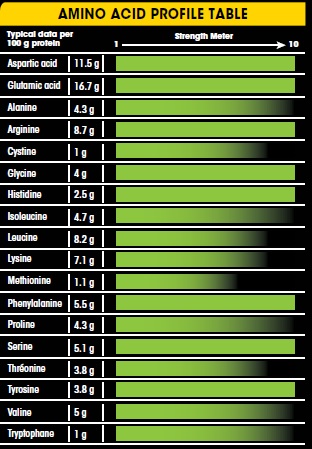
Both whey and soya have their issues and neither is perfect from a protein source point of view. In short I have provided some insight on the benefits of the major animal and plant based proteins and at the same time I have basically said avoid them.

What options does that leave us with from a protein perspective?

Well to be honest your major source of protein should be derived from proper and healthy nutrient consumption. What you consume in the form of protein from the time you get up in the morning until you go to bed at night will play the most major role in ensuring you are getting enough protein in your diet.

However as active people or someone looking for a quick protein fix, especially in the form of post workout recovery what other options are available since both whey and soya leave me with a lot of questions in my mind.

Well this is where I am headed and you can join me if you like.

For the past 18 months I have been heavily engaged in testing a vegetable protein, which has none of the negative connotations of whey or soya associated with it. No hormone or GMO debates, no issues with lactose intolerance or digestibility.  In fact its a plant based protein which has an incredibly strong amino acid profile. With high concentrations of BCAA’s Glutamine, Lysine and Arginine. Its profile is very close to that of the ideal protein for humans as recommended by FAO/WHO
It also has an intermediate fast digestive rate which is exactly what is preferred especially for an endurance athlete.

What protein am I talking about?
Pea protein isolate 
is what I am on about. As a plant based protein it is genuinely  a very powerful, clean and healthy protein for anyone whether  pro-athlete or just a gym bunny. Aside from its strong amino acid profile, it is not unnaturally processed, it has a smooth texture and actually tastes great. It is superior not just in using it for a natural recovery shake but also in a pre training or racing meal. I feel this is the most complete protein and there can be no questions asked around allergens, hormones or food safety.

Once I was happy with the certificate of analysis from the supplier and my own testing phase. I gave it out to a large number of athletes to do some testing for me as well. The feedback was unanimous the pea protein isolate needed to come to market to provide a healthier option of protein to the health conscious consumer. It was very well received across a variety of amateur and elite athletes in various sporting disciplines. Pea protein is gaining a lot of momentum globally and it fast becoming a protein of choice.

The NEW 32Gi Recover Formula
32Gi has decided to re-formulate its 32Gi Recover. Over the next few weeks we will be rolling out our new 32Gi Recover formula to all 32Gi retailers globally. The new Pea Protein formula will be replacing our previous vegetable based protein recovery shake.

At 32Gi we are continuing to strive to provide the healthiest supplement choices to our consumers and we will continue to pioneer and innovate to ensure that all 32Gi users can be assured that we are a trusted brand in which health always comes first.

About 32Gi Recover Pea Protein Formula

32Gi Recover is a high quality ratio blend of 100% organic pea protein isolate combined with carbohydrates. 32Gi Recover contains all the essential and non-essential amino acids to maximise muscle recovery

Recover is an excellent protein supplement with no unnecessary ingredients only those critical to muscle and glycogen recovery. Recover can also be consumed as pre training or racing meal or even as a meal during a long endurance event. Recover is suitable for vegans and diabetics.

Recover Facts:

  • Assists with Muscle Repair
  • Assists with Glycogen Recovery
  • High Protein absorption rate
  • Cholesterol Free
  • Naturally High in Glutamine
  • Wheat, Gluten, Soy and Lactose Free
  • Improves Strength and Recovery
  • Strong Amino Acid profile
  • Digestive Friendly
  • Vegetarian
  • Kosher / Halaal Certified
  • Recover is available in Chocolate, Strawberry and Vanilla flavours

Image