Categories
Nutrition Performance Sports Nutrition

STRUCTURED FUELLING – FAILING TO PREPARE IS PREPARING TO FAIL

When it comes down to race preparation athletes are all about the training never the nutrition around it. It is often an after thought. However its not just nutrition in and around the training an athlete should be focussed on its also the daily nutritional intake from waking up all the way to bed time. It plays a vital roll in maintaining an energy balance, supporting the recovery process, and keeping that immune system in check.

A few weeks ago, I participated in my first race after many years in hibernation due to ongoing commitments which never afforded me the time to put in the proper preparation. But when I decide to race it’s really a test of my consistent training and I don’t race for fun. I set a goal and stick to it. This time I went for Ironman 70.3 Tiberius with the single goal of getting a category podium to qualify for world champs. I knew what I needed to do from a numbers perspective to hit the target. But aside from training numbers the nutrition had to be spot on to support the effort. Over and above the actual training my age being a tender 51 meant recovery between sessions is more challenging and so dietary changes were needed to support the increases in volume and intensity. I wont dive into the daily nutrition in this blog as its quite detailed. I will leave that for another day. The purpose of this blog is to explain the approach to race day nutrition and how I properly prepared for it. Hopefully you can take away something and use it towards your big day.

WHEN DO YOU START?
Kicking off a race day nutrition plan needs to be tried and tested in training as much as you can. This needs to start many months before the actual race. In my case it was 10 months prior to race day. A fuelling plan needs to be properly structured, and tried, tested and stuck to like glue on race day.

FIRST STEPS
The first step you need to make is to think about the disciplines of swim bike and run and in your mind put a picture together of how you want to fuel each of those three.


-SWIM

Swimming being the first discipline means a pre-race meal and possible top ups on route to the start. In my case I decided to use 32Gi Pre-Race Meal as my pre-race fuel and because it such an important part of race day I consumed it prior to all my long and hard sessions. I also ensured I consumed it prior to most of my swims to ensure my digestive system was comfortable throughout. The serving sizes varied depending on how long before a training session I consumed it.

– BIKE
Generally this is the longest leg of a triathlon and the fuelling required to hold an effort for hours means a good fuelling plan that is simple and convenient while on the go.

Often cyclists complicate bike feeding, and this is something I like to keep as simple as possible. The way to determine intake on the bike is to understand a few very important things.

1.First is how long are you planning on riding for?

2.How many calories you are wanting to take in hourly (carbs only or carbs + protein)

3.How much fluid are you planning on consuming hourly for hydration purposes (this is weather and temperature dependant with heat and or humidity which can increase fluid loss)

In my case I pegged the bike to 2h30 as a pretty good estimate based on testing and in my case I went with around 280Kcals per an hour which equates to 70gram carbohydrates per an hour. Race weight is +-66kg placing me at over 1gram carbs per kg of body weight. However, I opted to go with 32Gi Race Pro which is a carbohydrate rich drink with a protein portion. I find protein intake during a long event keeps me stable and it can mitigate the onset of gluconeogenesis which can trigger muscle fatigue. 32Gi Race Pro is a single source feed so for me it was a simple uncomplicated feed and nothing else was needed from an energy perspective. I went with the mocha flavour due to it containing caffeine. I enjoy racing on caffeine. I decided to use a 600ml bottle and test the concentrate. This meant 10 scoops of Race Pro in the bottle for a 2.5hr ride. Aside from energy we need to also think about fluid intake to remain hydrated. By placing 10 scoops of Race Pro in a 600ml bottle that has turned the drink into a hypertonic solution which will provide energy, but it is not possible to hydrate. So, to manage this I placed an 800ml bottle of 32Gi Hydrate on the bike for hydration purposes. Optimal hydration is around 80% of lost fluid in the form of sweat. How do I know this number? I weigh myself before and after training sessions to determin weight loss which equates to fluid loss. During testing all went very well and I found my digestive system tolerated everything very well. The way I fed was alternating sips of energy and hydration spaced around 10min apart meaning Race Pro intake 3 times per an hour with fluid intake in between as needed. As we moved towards much hotter weather I realised that my fluid intake was not sufficient and that my sodium intake needed to be upped a little more. This led to a slight modification. Instead of 10 scoops in the 600ml bottle I placed 4 scoops in there to keep the solution isotonic (hydrates and provides energy with a more even pull through) and then I used a soft 300ml squeeze bottle which I placed the concentrate in, and carried that in my suite pocket for easy access. I then increased my Hydrate intake to 1.5 tablets in the hydration bottle so that I could get in around +-750mg sodium per an hour.
This worked amazingly well and on all training rides energy levels as well digestive comfort was spot on. I just needed to do one more test and this was on a 90km simulation which I did around 6 weeks out from race day. I woke up ate my 32Gi Pre-Race Meal as planned, pre-hydrated a little and then went out for a hard effort on the bike with my set fuelling strategy. I completed the course in 2h27 and the fuelling was perfect. These kind of tests demonstrate not just the level of fitness you at but more importantly the fuel required to achieve that effort was correct. It takes the stress off having to worry about any changes or adjustments. When it works bank it and take it to race day with a smile.

Run
The run leg is often where athletes can make or break their race, and this is determined by how well they fuelled on the bike leg and then how they continue to fuel through the run leg. A lot of triathletes test their fuelling on the bike and that is all then very often decide to rely on the course fuel for the rest of their race. I advocate never to rely on race course nutrition. You just do not know what you are getting from a dilution factor and that everything will go smoothly on the day. At Ironman Tiberius which was also Middle Eastern Championships 32Gi was the official nutrition partner. I remember going down the run course and being offered 32Gi products at the aid station by an athlete volunteering who knew me well. I refused the feed and kept going. He was a little in shock that I didn’t take my own fuel off the course. I explained to him afterwards when you go to battle take your own weapons that way you know they will work. The run course fuel was not my chosen fuel in training. My Run fuel was simple another soft squeeze bottles this time a 250ml hydra pack with a 32Gi Race Pro concentrate. All I needed in addition was water on the course and nothing else. Again, during training, I would run with the pack in my tri suite to get used to the feel and to ensure it worked well for me. I also did testers using longer harder efforts or brick sessions to test the nutrition worked well. Once I had tested dozens of times and was confident in the fuelling, I banked it.

ADDITIONAL CONSIDERATIONS
The one thing I have not spoke about which is vital in any triathlon is always to be prepared for anything. In this case often full distances allow special need bags for those that want some insurance. In my case the transition zone becomes very important.
On race morning I place two extra bottles in the bike and run bags one is a hydration bottle which is just water and 32Gi Hydrate and the other is a 250ml bottle of Race Pro with some 32Gi G-Shot’s (caffeine shots). These bottles are there in case I need to top up on energy or hydrate between the different legs of the race. The caffeine is something I take in prior to the race start and a just in case between legs.  

In my case our event started way over an hour after transition closed and I needed to use the time wisely to keep myself topped up. I sipped on Race Pro prior to the start of the event.

PLANNED NUTRITION
Below is exactly what went to the race course

WHAT ACTUALLY HAPPENED
As they say if you fail to prepare then prepare to fail. As much as we watched the weather and had an idea of conditions, race day threw us a nice curve ball. At 4am the rain came down and a hard the wind picked up. This was going to be a tough day out for most of the field. The cooler conditions and the rain made for slight changes in my nutritional strategy. What happens when temps drop is fluid loss is not as high and so I dropped my sodium down to +-500mg an hour instead of the 750mg planned. I also decided to start the feed from the concentrated squeeze bottle in order to allow the body to hit peak temperatures to keep fluid intake nominal and not over do it early on. Later when my fluid loss was slightly higher I would switch to more fluid with the small Race Pro bottle in the bottle cage. Minor adjustments to an already tried and tested plan.

THE END RESULT
Physically it wasn’t my best day out due to a number of reasons but I am never one for excuses and regardless we soldier on. Regardless of how I felt my race times were in line for a tough day out. The nutrition was perfect down to the red carpet and I never felt any discomfort or lack of energy.

Although I wanted the top step I had to settle for second place. My podium goal achieved and that is what I set out to do from the day I decided to enter the race.

The point of this blog is really to stress the importance of proper structure not just in training but in the nutrition in and around the training. There is no ways you can reach your true potential or push any hard efforts without a tried and tested nutrition and hydration strategy.

Below is a how I structured my race day nutrition. I know some of you have never truly given the nutrition much in-depth thought and many just thumb suck their way through. But you ask any professional or elite athlete about their intake during an event they will break it down into the finest of details because they know it’s the difference between a win a loss and a hard or smoother day out.

Hopefully you learned something from this approach above and will give your nutrition some proper thought before your big day.

Yours in health always

M

Categories
Health Nutrition Performance

ARE YOU IMPAIRING YOUR ATHLETIC PERFORMANCE BY TRYING TO FOCUS ON WEIGHT LOSS?

After more than two decades in speciliaizing with athlete nutrition I still constantly come across the same mistakes athletes tend to keep making over and over again.

UNDEREATING
Most people understand that a calorie deficit is required for weight loss. Its proven science that if you consume less than you are burning off over time you will see a decline in weight. Then weight loss happens and the calorie deficit continues because the individual wants to lose more weight but then it becomes too much of a sacrifice and so the domino effect begins. Lowered metabolic health and lots of rebounds and roller coastering with no stability and progress over time.

Each individual has a unique rest metabolic rate. This is an estimation of calorie burn rate through normal bodily function at rest. Add in some additional factors such as exercise and one can get a pretty accurate estimation of total daily burn rate.

When it comes down to athletes, every day is a different day. Some days an athlete will rest, some days they will have shorter duration sessions, sometimes longer duration, somtimes more intense quality days and then every so often you will find those athletes that train twice or more a day. What this means in simple terms is that a highly active individual will generally have quite a broad differential range of energy expenditure from a day to day basis. This is what I define as an athletes unique daily burn rate.

When athletes come knocking at my door and tell me they want to lose weight the first thing I say is it really weight loss or is it a change in body composition? Shape means more than a scale. Percentage of lean muscle to total mass is what I look for in any individual and this might not change the scale a lot but it can certainly change the centimeters.

With this in mind I need to first guage a number of things.

1. What is your goal and how far out are you from it?
If you are a few months out from a race and you are trying to lose weight you then are making a huge mistake. Weight loss is not a point of focus before a major event. Main focus should be supporting the training from a performance and recovery perspective. This means maintaining an energy balance and not eating in a deficit which depending on the extent of that will over time lead to lack of energy, lack of ability to push pace and power numbers, lack of recovery, lower training adaptations, low and slow progression and possibe decline in fitness and strength and then the higher the likelihood of triggering illness or injury.

2. What is your current Training Routine
Any active individual has a training regime whether maintaining or increasing fitness or strength or gearing towards an event. As mentioned earlier energy expenditure differs greatly depending on the duration and intensity of an exercise session. This means that on a day to day basis energy intake in the form of food will differ. Some days you will need to eat more especially those longer harder training sessions. And some days you can eat less due to lower intensity, shorter sessions or rest days. When thinking about nutrition it always needs to fit the training like a glove. The two should work seamlessly hand in hand to ensure optimal energy, recovery and of course taking your goal into account which is actually fat loss and maintaining or increasing lean muscle.

3. What is you current Health Status
Who doesn’t love a good view of an athletes blood chemistry. So often I come across “healthy active” individuals only to get back a nice batch of bloods which tell me otherwise. Seriously though, when it comes to constantly being active it means placing the body under additoinal physiological stress. Any additional stresses on the body when the engine is less than stellar could spell a lot of trouble over time and in some cases I have actually seen certain metabolic panel markers a reason for an athletes inability to stay healthy, injury free and get into great shape. So yes, show me your blood first and only then will I show you some direction.

4. What do your meals look like?

I love it when people tell me they eat healthy. You know if I had not been doing this for so long I would be far more trusting in what people say. When it comes to nutrition with me its black and white. Diarize what you eat and drink on a daily basis and then let me analyze all those ones and zeros. The numbers speak for themselves. Healthy eating can mean very different things to different people. I mean is a smoothie healthy? In most cases they not. It competely depends on the ingredients, macronutirent composition and the volume of the meal. Most are loaded with sugar and believe me the blood glucose monitors love take off soon after consumption.

So getting back to “weight loss” is it really about that or is it about simply improving your health which will empower you to perform better and at the same time optimze your engine and shell.

Let me get back to this idea of being active and wanting weight loss and then under eating. It just does not work. If you truly want to do this properly then time your calorie deficits, ensure they are not excessive but only slight and gradual over time. Excessive calorie deficits break down the body, lower perfomance numbers, lower metabolic health and leave you in a less than stellar health space and ability to perform.
Place an emphasis on health. Maximize and optimize your nutrition intake and do not aim for quick fixes.

Time, patience, consistency and discipline equates to success.

Yours in Health and Fitness always

M

Categories
Health Nutrition Performance Recovery Sports Nutrition

Is Intermittent Fasting A Good Idea For Athletes?


Intermittent fasting has undoubtedly come to the forefront over the past few years, and more and more, I am getting asked by athletes whether I think intermittent fasting is a good idea? One needs to ask, what is your reasoning for doing intermittent fasting? I mostly hear athletes telling me that they want to lose weight, lean out, become more fat efficient, or improve health. I guess the big question is, what is your actual goal? Are you trying to lose weight? Are you trying to improve your previous best marathon or Ironman time, or are you just doing it for health reasons?

Firstly, it’s a fact that intermittent fasting is a form of calorie restriction. So if you can restrict calories by fasting, why can’t you limit calories by eating correctly? When you place your body into a fasted state, you begin playing with leptin and ghrelin hormones. The inability to balance these hormones properly due to overeating or fasting can cause roller-coaster effects that do not serve the intended purpose. If trying to limit the insulin response by placing yourself in a fasted state is the objective, you should know that this can also be done in a non-fasting state.

The main question, though, is, why would you even consider fasting as an active individual or an athlete? 

Weight loss comes from eating correctly, meaning a calorie-restricted diet and proper macronutrient intake to support your unique requirements. Lean muscle gain also comes from eating correctly and ensuring proper macronutrient intake daily. I am just trying to stress how vital nutrition is for fat loss, muscle gain, and maintenance. However, what about energy, immunity, recovery, and performance as an athlete. Intermittent fasting does not support those systems. Quite the opposite, it will hamper the recovery process, limit your energy levels, and place your immune system under additional stress. 

Let me explain to fully understand the consequences of intermittent fasting while trying to be the best possible healthy athlete.

RECOVERY

When it comes to recovery, there are three main aspects that I look at, and these are:

  • Rehydration
  • Muscle Protein Synthesis
  • Glycogen Restoration and blood sugar stabilization

If an athlete embarks on intermittent fasting, then rehydration and adequate fluid intake will not be an issue. The main problems will arise regarding muscle protein synthesis and glycogen replenishment. Adequate protein intake for any athlete is essential for recovery. Generally, I work on around 1.4g – 1.7g of protein per kilogram of body weight for endurance athletes. Then, for lean muscle increase or strength athletes, the protein volume can quickly move to 2g/kg body weight and higher. The volume needed will depend on the athletes’ goals and exercise regime. 

Strength work and developing more lean muscle will require a higher protein intake, while maintenance and repair will be lower. 

Take as an example a 70kg athlete who is training on average 90min a day. His goals are body fat loss, increased lean muscle, and strength. More of a combination athlete. In this case, I would advise a protein intake of at least 120-130g of protein per day. In animal nutrition terms, 5 chicken breasts or plant terms 2kg of boiled lentils. That is quite a lot of food in protein terms. Most intermittent fasters deploy a 16:8 window which is quite long. It means squeezing this protein intake into a small amount of time.

However, as we know, when it comes down to protein, the human body can only process and absorb a certain amount of protein every +-3hrs. This is generally in the region of +- 8-11 grams per hour. If you are a plant-based eater, you will expect severe GI distress in consuming a high amount of plant protein in a short window period as fiber content is a lot higher. So, as you can see, it’s not possible to squash large protein portions into fewer meals and expect the correct portion amount for proper muscle protein synthesis to take place. Overeating protein can also trigger elevations in blood sugar, easily leading to weight gain. We also know that consuming a protein with a carbohydrate post-exercise up-regulates amino acid uptake, specifically leucine, a significant trigger for muscle protein synthesis. 

What also allows for proper muscle protein synthesis is a positive nitrogen balance. Nitrogen is the most crucial component of amino acids, which are the building blocks of protein. This means that if you are fasting, the amount of nitrogen excreted from the body is greater than the amount of nitrogen ingested, and there is no repair work taking place. It places you in a catabolic or breakdown state. This means limited training adaptations and limited progress. 

EATING FOR ENERGY

The next aspect I want to look at is the energy system, our primary fuel tanks being glycogen and fat. Glycogen is our rocket fuel used at higher intensities, while fat becomes the fuel of choice in lower aerobic zones. 

A hard workout where glycogen depletion takes place will require carbohydrate intake post-exercise to start the glycogen replenishment process and stabilise blood sugar rapidly. This would often result in high muscle damage, meaning protein intake also needs to be considered after exercise. Extending the fasted period a few hours post-exercise will delay the recovery process, leading to fatigue. This will also hamper back-to-back sessions. Then when it does become time to break the fast, how do you know how much to consume in carbohydrates and protein. The body has requirements from a macronutrient perspective and post-exercise stresses, which must be met to ensure a proper and healthy recovery. 

When it comes down to the primary energy system, carbohydrates are, without a doubt, our rocket fuel if you are going to be doing an FTP (Functional Threshold Power) test or an interval or track session. Then how can you expect to achieve the best possible numbers without fuelling the session properly? Pushing those sessions to the best possible effort will ultimately lead to better gains and more fat burning post-exercise by elevating the metabolic rate that much more. It has been scientifically proven that a fuelled session will give better performance numbers. Better performance numbers equate to better training adaptations.

When it boils down to performance gains and being a fitter, faster and stronger athlete, you need to fuel your effort. Fuelling during an exercise session or eating post-exercise recovery meals is not why athletes are overweight. Weight gain comes with overeating and inadequate macronutrient meal construction throughout the whole day and week. 

The Fat Efficient Athlete

To become a fat-efficient athlete, intermittent fasting is not required. Fasted training is a good way of developing this, but that is entirely different from intermittent fasting. A fasted session does require a recovery meal post-exercise, and the volume and type of meal will be determined by the duration and intensity of the exercise session. Failing to recover from an exercise session is, without a doubt, failing the session itself. 

To summarise my views on intermittent fasting and sports performance. They do not go hand in hand. Whether endurance or strength disciplines or a combination of the two, they place a lot of physical stress on the body. This impacts the musculoskeletal system, the immune system, and the energy system. The athlete’s body requires nutrients to fuel, repair, and fortify it constantly. Failing to give the body what it needs will ultimately lead to a lack of performance and potentially illness or injury.

If you want to perform, get stronger, lean out, and get your resilient engine and body, then learn to eat correctly and avoid shortcuts that don’t benefit those goals.

If you are only trying to lose weight or have a medical condition that requires a calorie-restricted diet, then intermittent fasting can play a role. However, if you are an athlete intent on being the best version of yourself, get your nutrition right and stop playing games. 

Mark Wolff is a preventative health specialist with a physiology, chemistry/blood chemistry, exercise physiology, and nutrition background. He has been consulting in this space for more than 25 years, focusing on endurance and strength athletes. Working with professional and amateur athletes in various sports disciplines and people just wanting to change their lifestyles, Mark believes that a person can only reach their full potential when the foundation of health is given the proper focus. Mark places a significant emphasis on recovery, immune system and metabolic health, emotional stability, stress management, and performance.

Categories
Performance

FUELLING YOUR ULTRA PROPERLY

With only a few weeks left to Comrades Marathon there is a lot of chatter going around on fuelling, hydration, cramp prevention and immune system boosting to ensure health and decent day out. Unfortunately most of the advice is personal opinion without a clear understanding of what the human body actually requires in an endurance event over a long period of time.
As far as immune system strength goes I will touch on that in a separate blog to dispel the crazy myths that so many think work. In this blog I will cut through the nonsense and explain exactly how to approach your hydration and fuelling strategy for the big day.

In any ultra distance event there are three main areas of focus that need to be adhered to.

  1. Pre-Race Meal
  2. Fuelling Strategy
  3. Hydration Strategy

If you can nail these three you are sure to have a pretty decent day out. Unfortunately many athletes tend to forget about the importance of this and often leave it too late to try it out in training. A proper nutrition strategy needs to be practised many times way in advance of the event and under similar conditions in order to ensure that it works well. If you do not test your strategy and plan it properly there is an excellent chance that your day will go pear shaped.

The Pre-Race Meal
Definitely the most important meal of your race day. A pre-race meal is so crucial in terms of setting the body up for those first few hours exercise. It is the only opportunity to ensure your fuel tanks stay topped up in the hours leading up to the race especially after a night of fasting. Stabilising your blood sugar and ensuring some fuel for the first bit of your race.

The morning meal of race day is vital. The food you consume prior to your race will form an important part of your actual race fuel.
It’s best to consume a meal which will provide you with stability and give you the energy requirements you need during the event. This meal should be a sustainable meal including carbs, make sure it does not spike your blood glucose levels but provides balance. If you are caffeine intolerant you will be able to benefit from taking in caffeine at this point.
Your meal should be consumed at least 2 hours before the event and have a volume of around +-300 – 400 Calories. A meal should consist of easily digestible carbohydrates and some protein. Fibre should be limited as much as possible as it can lead bowel irritation and digestive discomfort. If you are even slightly lactose intolerant then avoid any dairy at all costs.
Some examples of a pre-race meal are listed below.

  • Rolled oats, peanut or almond butter, half banana
  • Toast (low fibre) oats or seed load, peanut or almond
    butter, honey, banana
  • Cereal or porridge (low fibre) with some fruit and nut butter.
  • Potato or white rice pudding
  • Pancakes
  • Eggs on toast


If you are a fan of racing or training on caffeine then now is the time to dose on it. Generally its recommended to consume around 1-2mg of caffeine per a kilogram of bodyweight. Caffeine has been shown to help free up free fatty acids which is an excellent source of fuel in a long distance event. It has also demonstrated the effects of delaying the onset of fatigue as well as improving oxygen uptake which of course is a major benefit to the energy system in any long distance event. Caffeine also plays a role in performance improvement during a long distance event. If you have no experimented with caffeine in training then do not try it on race day.

Some nutritionists advocate that you should consume heavy or blood glucose spiking products prior to your event to maximize liver glycogen levels. I am personally against this. The event is not a high intensity event its a pace controlled ultra and you will by no means be doing yourself any favours by elevating your blood sugar significantly. The opposite it will most likely cause some major issues early on. Lastly do not over hydrate prior to the event. This can cause an overloaded bladder and major discomfort. Moderate fluid consumption prior to the event is absolutely fine.


FUELLING YOUR ULTRA
The best way to spare glycogen in a long endurance event is proper pacing, and moderate carb consumption. In an ultra marathon proper clock feeding or distance marker feeding (assuming you know your exact pace) is the ultimate way to fuel. We call this a drip feeding mechanism. The idea is to fuel smaller amounts more frequently.
Why is this a benefit?
It simply reduces the risk of GI (gastrointestinal distress) and prevents major peaks and troughs providing better blood sugar stabilization during exercise. Secondly it allows better fluid absorption as not a large amount of fluid is required with the intake meaning more manageable feeds to provide energy as well as fluid to keep you hydrated.
Consuming a high large amount of glucose concentrate (such as a standard gel) requires a fair amount of fluid to ensure a proper dilution ratio (isotonic) to ensure efficient fluid and energy pull through. Failure to do so will likely lead to gastrointestinal distress as well as dehydration.
Do not delay your fuelling in you race. Start early on and keep it consistent.
Mix it up nicely even combining some food solids along route such as bites of a banana or potato can make for a nice break in between the monotony of other feeds.

Its crucial to get protein in the system during a long distant event as well. I highly advocate consumption either hourly or at certain points in the event. It has been shown to help in delaying the onset of muscle fatigue as well keep you satiated topped up and the hunger at bay.

Below are examples of fuelling charts of elite  and amateur athletes to give you an idea of the planning that goes into place not just for training but from a nutrition perspective as well.


* The below charts are tried and tested method for an athlete of specific weight, pacing, fuelling and hydration requirements. Each person is unique in what they require and what works for one person will not necessarily work for the next.

The following products are utilized in the fuelling charts below

Elite Athlete Fuelling Structure

Amateur Athlete  1 Fuelling Structure

Amateur Athlete 2 Fuelling Structure

Elite Athlete 2 Fuelling Structure


STAYING HYDRATED IN YOUR ULTRA
Hydration is where most of the chaos occurs in an ultra distance event. This is very often when the wheels come falling off and the body just goes through a world of hurt and pain. I would even go so far as to say that proper hydration is even more crucial than energy intake.
You need to firstly understand that consuming water in large amounts on route does not mean you will remain hydrated. Hydration depends largely on the absorption rate of the fluid you are consuming. Water on its own has a low absorption rate as opposed to water consumed with a mineral solution (in particular sodium). When it comes to proper hydration the idea is to take in around 80% of fluid lost in the form of sweat. Small frequent sips of fluid intake will be easier to be absorbed however I would suggest consuming fluid with a mineral solution which is hypotonic or isotonic in nature to maximize the absorption of the fluid. I have written a previous blog on hydration which will help clarify this Simply Hydrate (Click Here)

Over consumption of water will only lead to what we call the washing machine effect. When the stomach gets overloaded with fluid as its not being absorbed and this can lead to a large amount of discomfort as well as in severe cases the dreaded hyponatremia. If you do feel fluid sloshing in your stomach and its not being absorbed you need to stop drinking immediately and consume something in the form of salt to help pull that fluid out. Once it empties you can carry on hydrating again. Under over hydrated circumstances very often thirst actually kicks in quite strongly so do not mistake this for dehydration it can be over hydration as well and your stomach will signal on which side of the fence you are sitting. One of the main reasons I developed the 32Gi Cramp Assalt gel (Click for more Info) was to address this exact issue. It’s a hydration gel which is designed to maximize fluid absorption during exercise as well as containing an anti-cramp trigger. Prevention however is better than cure and its an easily carried product which is sure to aid proper hydration.

In conclusion I just want to stress when it comes to fuelling and hydrating the least amount taken in to achieve the best result is what you should aim for. Under consuming can always be addressed but over consumption will swing the pendulum way to hard and leave you in a really tough space that will be pretty hard to get out of.

Over the next few weeks we will be giving a lot of tips and tricks as we head towards Comrades Marathon and hopefully we can guide you to your best day out.

all the best

M
Mark Wolff is a certified exercise & sports nutritionist, endurance nutrition and physiology expert with over 20 years experience. An endurance multi-sport athlete with a running, triathlon, mountain biking and weight lifting background, he works extensively with professional and amateur athletes in a variety of sports disciplines as well as those just wanting to change their lifestyles. He firmly believes that a person can only reach their full potential when their health and nutrition is given the proper focus. Mark’s focus on nutrition and physiology is not just on training and racing, but he places major emphasis on recovery, immune system health, emotional stability, stress management and performance. Mark is co-founder of 32Gi, a sports nutrition company, focused mainly on health and endurance nutrition. He is also co-founder of Rapid Recover focussed on pneumatic compression equipment to improve circulation for recovery and health. 

Categories
Performance

POSSIBLY THE SILVER BULLET?

Over the last few weeks there has been a lot of hype and excitement over 32Gi’s latest edition to its product range the new 32Gi Race Pro.
It is a product that I have taken great pride in developing and getting to market. This blog is aimed at to giving you the low down on everything you need to know about it.

First let me explain the history of how this product came about. There is a nice little story as to why we decided to bring it to market. For many years I have been working very closely with many athletes on their sports nutrition. When it comes to the various theories of sports nutrition there are many debates that take place as to what is actually scientifically proven. Often with research we see cases for and against different scenarios and often it boils down to what works for an individual. As a professional sports nutritionist and endurance exercise expert I have been intimately involved with many different athletes at all different levels and each has a unique need and requirement when it comes to nutrition and fuelling strategies.

The last 9 years I have had the fortune of seconding some of the best ultra runners in the world at Comrades Marathon. If anything Comrades is one of the true testers of what an athletes body will go through over time. Duration of effort is huge especially with the temperature variations during the course of the day and the elite athletes are running around the 3:47min/km pace over the 90km course for the coveted title. This is by no means an easy task. The climbs and descents are extensive and the route is undulating and tough. If anything the digestive system undergoes a huge amount of stress especially in light of temperature climb over time and where much of the blood is diverted away from the digestive tracts to the heart, lungs and working muscles for performance as well as the skin for cooling. This leaves the digestive system fairly sensitive over time and proper fuelling and hydration on the day can make or break your efforts on route to the finish line.

I have also worked very closely with triathletes over the years to develop successful fuelling strategies especially during long course events. However the digestive system is much more stable while on the bike. What a triathlete consumes during a long course triathlon will not work the same for an ultra runner. With running the cooling effect is much lower and the high impact of running combined with other various factors leave the digestive system way more sensitive.

With the ultra runners the fuelling methods needed to be more conservative and a focus has to be placed on reducing the risks associated with GI (gastrointestinal) distress as well as hydration.
A few years ago I developed a drip feeding mechanism which meant smaller feeds more frequently over time to help stabilize the energy system and reduce the risk of gastrointestinal complications. The first few years we kept the focus on the carbohydrate feed ensuring the digestive system coped well with the carbohydrate combination and volume of intake over time. It is important to stress that carbohydrates are not created equal and each has varying properties depending on how much is consumed as well as the volume and type of fluid consumed with it.
This ultimately determines the gastric emptying rate and the efficiency of glucose supply as well as fluid absorption to remain hydrated. I have written a previous blog discussing osmolality and the various drink mixture options which can be read about here (Simply Hydrate). Most energy product users don’t actually understand the difference between the different saccharides (sugars) that are available and some are classified as sugars and others are not depending on the type of saccharides or combination of use. Sugar gets a bad wrap as the bad one, but most have no clue how untrue that is because they fail to understand the actual attributes of the carbohydrates used and the composition of them to achieve a specific function.

Once I was satisfied with various carbohydrate fuelling methods we started to introduce protein intake with the carbohydrates in the longer distance events. The purpose was to achieve a reduction in the onset of muscle fatigue and to keep an athlete more stable and satiated on route. After much testing with the triathlon community with 32Gi Recover (click here for more info on 32Gi Recover) during long distance events and the excellent feedback, I began my testing on the ultra runners. The idea was to introduce the protein feed a few hours into the event. The elites would feed around half way and for the back pack athletes earlier to get it between the 3-4hr mark. Fuelling needs to be time not distance based and this is something most athletes get wrong. An athlete covering 45km’s at 3:50 – 4:00min pace will hit that mark under 3hrs while an athlete running around 6-7min pace will only reach the 25-30km mark in that same time. Meaning fuelling is very different and unique for each athlete.

The feedback with the protein intake was phenomenal and the amount of ultra distance runners that incorporated the protein feed into their fuelling strategies were elated at the results. Then came the turn around point and that was the introduction of caffeine into the protein mix in the form of coffee. This not only made the drink more palatable later in the race due to the reduction of sweetness but the caffeine kept the athletes nicely focussed and able to perform.
It’s important to mention that it’s a fact that caffeine is a scientifically proven performance enhancer for endurance sport. The major shift came over the last few years where I was holding up two seconding bottles for the elite athletes to give them a choice on route. One bottle was the pure carbohydrate drink mix and the other the protein / carbohydrate combination. I noticed the demand for the protein shake was increasing. Last year at Comrades the majority of elite runners I was feeding consumed the protein shake on route. I knew the composition was not perfect for the distance but in the timing of the feeds and volumes I gave, certainly did the trick.

Enter project Race Pro. The idea was to develop a world class carbohydrate protein endurance sports drink which was very different to any other product in the market and just did the job better.

32Gi Recover uses a 1:3 ratio of protein to carbohydrates which is excellent for recovery. However for Race Pro I wanted approximately a 1:7 ratio making it much more of a carbohydrate endurance drink with the ability to completely stabilize the energy system and assist in delaying the onset of muscle fatigue. I wanted it to be highly palatable over time and I wanted the drink to have an excellent gastric emptying rate to provide immediate energy and stability as well as reduced risk of gastrointestinal distress.

We decided to use a HBCD (Highly Branched Cyclic Dextrin) as the main carbohydrate due to its incredibly high gastric emptying rate and ability to provide immediate energy in the form of much needed glucose to the working muscles. We then added some stage releasing carbohydrates to stagger the release providing some stability and we topped this off with a high quality plant based protein. The structure of the drink went through a few modifications during the testing phase to ensure the key criteria of the drink were met.

  1. Immediate and Stable Energy
  2. Digestive Comfort
  3. Reduction in Muscle Fatigue

Eventually we reached the correct formulation and now all that was left was to properly flavour it and run intense testing.
At 32Gi we do not use unnatural flavours or colours and this is a strict criteria the brand adheres to. Each product needs to be clean and meet the food category classification. At the onset of the testing phase I used a fruit flavour but then realised it was not suitable for this product. We then turned back the clock to how the athletes had raved about the chocolate and coffee mix they were fed on Comrades route and we decided to test this blend. Real cocoa and a high quality coffee to ensure a nice flavour as well as decent caffeine content. When the testing started I was thinking this is too good to be true. Session after session I was absolutely loving the drink. I then used it over a 12 week period where every single weekend was 4.5hr – 6hr training sessions in hot temperatures to see how the product faired over time. I was extremely happy with the outcome. I have a very sensitive stomach and I found the product to be easy on the digestive system but more importantly it kept my energy levels stable and completely comfortable throughout every single session.
I then tested the product in a stage racing simulation which included multiple long distance intense efforts on consecutive training days. It was very apparent that Race Pro enabled a quicker recovery between sessions by ensuring stability during the session and the much needed MPS (muscle protein synthesis) post exercise with the addition of the protein into the feed. I did comparisons on pure carbohydrate feeds against the Race Pro over distance and the Race Pro just gave me a much better sense of stability, spot on energy and reduced hunger post exercise.

So let me explain a little deeper as to why 32Gi Race Pro is going to be such a successful endurance sports drink.
It utilizes one of the most advanced carbohydrates in the world which is exceptional at emptying the digestive system and providing immediate energy while keeping the digestive system very comfortable. A carbohydrate of this nature is expensive and of high quality. Another philosophy of 32Gi is we don’t compromise on quality and we we will make sure the best ingredients we can get our hands on will be available to the masses. If this means reducing margin to ensure the customer can afford the product then we will do our utmost to ensure the consumer can get their hands on it at the correct price. I launched a video a few months ago explaining how instead of using an unhealthy synthetic blue colour in our blueberry and lime flavour products (lime is blue + orange to get to green) we use a very expensive blue spirulina extract (click here to watch video). We place a priority on the health of our consumers and do not compromise.

Race Pro has the much needed property of providing stability with other unique carbohydrates and this with the protein content is guaranteed to leave any athlete feeling topped up, energetic and comfortable through any endurance training or racing session. What makes the product even more attractive is that it can be a single feed bottle by making a concentrate according to calorie requirements. In other words no other fuel needed. Toss all the other carry along’s go with simplicity to focus on a convenient and nourishing feed which is guaranteed to keep you stable over time. The only other need is hydration and this can come in the form of water or preferably 32Gi Hydrate to ensure optimal fluid absorption.
A final but noteworthy attribute is the simple fact that both flavours just taste so good over time and there is the addition of caffeine in the product for those that want it during their session.

In conclusion I have always stated there are no silver bullets when it comes to sports nutrition and performance. I think I might need to eat those words as it’s highly possible the silver bullet has arrived in the form of 32Gi Race Pro. Don’t take my word for it, go and give it a try for yourself.

all the best

M

Mark Wolff is a certified exercise & sports nutritionist, endurance nutrition and physiology expert with over 20 years experience. An endurance multi-sport athlete with a running, triathlon, mountain biking and weight lifting background, he works extensively with professional and amateur athletes in a variety of sports disciplines as well as those just wanting to change their lifestyles. He firmly believes that a person can only reach their full potential when their health and nutrition is given the proper focus. Mark’s focus on nutrition and physiology is not just on training and racing, but he places major emphasis on recovery, immune system health, emotional stability, stress management and performance. Mark is co-founder of 32Gi, a sports nutrition company, focused mainly on health and endurance nutrition. He is also co-founder of Rapid Recover focussed on pneumatic compression equipment to improve circulation for recovery and health.

Categories
Performance

“TAPER TO SUCCESS & NOT TO FAILURE”

One of the most critical periods prior to a race is what’s known as the taper period. In longer distance events such as marathons, Ironman distance events, ultra’s or stage races, a peak in training volume is reached. Then comes the time to reduce volume, recover, sharpen and arrive at race day fresh. This is known as the taper period.  Many athletes put a lot of focus on the actual training and recovery aspects but completely miss the most fundamental aspect of the tapering period and that is nutrition. Another misunderstanding is the type of quality training that needs to be maintained until race day. Many athletes drop volume but then tend to neglect proper sharpening which involves speed and strength work. The focus of this blog is aimed at the nutrition required during the taper phase.

The kind of nutrition you take in the 2-3 weeks before a big event can make or break your big day. There are a few areas where nutrition plays a very critical role when it comes to the taper period and very often these can get the better of an athlete.
These are:

  1. Immune System Strength
  2. Weight Management
  3. Muscle Recovery
  4. Race fuel preparation

Immune System Strength
An athlete’s biggest fear is falling ill prior to race day. Let’s face it when we hit peak training volumes 3 weeks out from a big event our bodies are fatigued, immune system is low and we are very susceptible to infection. Even more so when we are exposed to children or closed work spaces on a daily basis. Contrary to popular belief athletes are quite weak at fighting illness during volume periods of training.

Weight Management
Heavy volume training periods only mean one thing, cravings. An athlete requires food to fuel the body not just from an energy point of view but also from a recovery perspective. Many athletes also feel the need to eat because they deserve it after long hard sessions. Sugar highs and sugar lows causes appetite triggers and as disciplined as athletes are when it comes to training, they often fail when it comes to eating. There are also many athletes that worry constantly about weight gain and eat insufficiently to support the bodies fuelling requirements. Once training volume is reduced one of the toughest things to be able to do is shape the eating volume accordingly. Many athletes arrive at race day a lot heavier than they were during training and this is a common athlete mistake.

Muscle Recovery
A taper period is there for one thing. Muscle recovery and strength gains. It’s time to repair and recover and build. Remember training breaks you down, proper rest and recovery builds you up and makes you stronger. How you recover physically has a large dependency on nutrition not just reduced training and rest.

Race Fuel Preparation
The way you prepare your body from a nutrition perspective in the weeks and days leading up to an event will either make or break your fuelling strategy on the day. What you eat can either make your race fuel strategy very effective or completely the opposite and this is something you need to constantly have in mind as you approach the big day.

With all of the above in mind, I felt it quite good timing to discuss these aspects especially with goal races approaching fast.

Where your focus should be on a training perspective should be pretty well understood in terms of quality sessions leading up to the race. If you are not sure how to properly taper from a physical point of view towards your big race its best to consult a knowledgeable coach. The focus of this blog as mentioned earlier revolves around the nutrition leading up to your big day.

With a few weeks out of your big day, it is not easy to focus on nutrition. You have to make a conscious effort to make the right decisions when it comes to eating and drinking, because whether you like to believe it or not, you can make a big difference on the actual day by taking the best nutritional approach. Eat with intent.

Where to start is quite simple, just try to adhere to these few simple rules.

Don’t Eat Out
Eating out firstly is not necessarily eating healthy unless you are completely sure of exactly what is on your plate. Just because it’s a grilled chicken breast or a fillet doesn’t mean it is basting free, not loaded with trans fats and has the correct nutrients. The risk of falling ill is one aspect as well as the issue of irritating digestive symptoms and then weight gain. Rather know what you are ingesting, keep it clean, keep it lean and prepare your own meals that you can ensure the nutrients you are taking in have a benefit and not a detriment.

Reduce or Cut Sugar Intake
Cutting sugar intake is one of the smartest things you could possibly do in leading up to a big event. By sugar I don’t just mean physical sugar. I am speaking about the large anti-nutritious carbohydrate portions that most people are so emotionally attached to in the form of instant and processed cereals, noodles and grains. Rather take in carbohydrates which have excellent properties not just from an energy point of view, but also for immunity strengthening. The better your carb selection the stronger you will arrive at race day. Opt for carbohydrates which are nutrient dense, such as vegetables in the form of greens, spinach broccoli, Brussels sprouts, cauliflower, kale, Swiss chard and the likes. Reduce fruit intake to a bare minimum and stick to the immune boosting lower sugar fruits such as berries.
Sugar just plays unnecessary havoc with blood sugar, and during the taper weeks it can only assist with contracting illness (the bad guys love to feed off sugar) and of course unnecessary weight gain due to roller coaster riding not to mention emotional highs and lows which play on pre-race nerves as well as sleep. Cutting it will certainly benefit you on race day.

The Protein Factor
Depending on the type of nutrition plan you are on whether LCHF (low carb high fat) or HCLF (high carb low fat) Beach, Paleo, Vegetarian, Vegan and the likes ensure that your protein intake is of quality and not just quantity based. By this I mean don’t overdo the protein, eat according to your requirements. Opt for proteins which are leaner and measure your fat intake with known fat measurements. Consuming leaner proteins can also easier on the digestive system. If you are a meat eater sticking to chicken, turkey, fish and eggs can keep the digestive system happy, and for plant based eaters such as myself I generally choose a fair amount of vegetable proteins such as pea, rice, hemp as well as protein rich beans and grains. Keep the preparation clean and preferably keep dressings to an unprocessed form.

Fats
Fats are so critical to any diet. They are an incredible source of fuel, and the only reason to keep fat intake very low is if your carb intake is very high. Try to get some good fats into the diet, Omega-3’s such as salmon, tuna, sardines, pilchards as well as the vegetable forms of flax and chia seeds make for excellent nutrient dense foods. One of the things I advocate in taper week is to up the MCT’s (medium chain triglyceride’s). They are fats that are not stored but more utilized as a source of energy and these are the types of fats you want in your system during a long endurance event. If you have never consumed MCT’s then don’t suddenly start as it takes time for the bowels to adapt and can cause digestive discomfort.

Hydration
I cannot stress enough the amount of fluid you should be consuming on a daily basis especially in the taper period. Try to aim for 30ml – 40ml’s per a kilogram of bodyweight, it might sound like a lot of fluid but it’s not at all. If you want to ensure you arrive at race day properly hydrated, in good health, topped energy levels and on top of the world then put some focus on your fluid intake. Whether in the form of water or herbal teas both are perfectly fine. If you are thinking in the form of fruit juice and coffee my answer to that is no as its high in sugar. If you are wanting a flavoured water, take a ¼ grapefruit and squeeze it into a liter of water, or a lime would be perfect. Sugar in fruit is very high and a fruit juice is just loaded with sugar. As for coffee check out the next section.
Personally I am a huge fan of mineral loading prior to a big training session or a race. Water with mineral increases the rate of fluid absorption. I use 32Gi Hydrate and consume a a few glasses day in order to maximize fluid absorption. It works incredibly well.

The Caffeine Effect
Caffeine can be a benefit or drawback. Caffeine is a mild stimulant that occurs naturally in a variety of plant species. There are people who view caffeine as a useful stimulant that increases ones concentration and awareness as well as many other physical traits.  The important thing to remember is that caffeine affects each and every individual very differently depending on the amount consumed, the frequency of consumption, and a person’s individual tolerance levels.

Let’s get to the facts. Scientific proof of caffeine and sports performance is actually pretty strong. One thing to remember though and this is from a health perspective. Caffeine is a stimulant and it does have addictive properties. In a healthy diet your consumption should be limited and health professionals will recommend around 0-7 cups of coffee a week as a limit. Unfortunately the majority of people consume a much larger amount. One thing is certain caffeine does stimulate and it plays with one’s emotional and energy stability. Stimulant drinks such as coffee are also known to be one of the biggest role players in a person gaining weight and affecting emotional stability. Another important consideration is that caffeine impacts the ability to sleep properly and this is a critical element of endurance recovery. Caffeine also causes a rise in acidity in the digestive system, and from a health perspective one should try to consume a diet that is more alkaline, acid of course can lead to issues especially in sport. Finally caffeine has diuretic properties causing loss of fluid, and the last thing you want to be is dehydrated during a sporting event. An athlete that consumes caffeine in excess is actually doing himself a complete disservice.

So with all this negativity in mind, how can caffeine really help me as an athlete? Well there are two major benefits that caffeine has, the first is that consumed on its own without sugar has shown to raise the amount of free fatty acids available for use as a source of fuel. Fat of course is an incredibly powerful form of fuel and the more free fatty acids you have available for use in an endurance event the more you are able to benefit from it. There is one slight consideration though? That in order for this to work well, a person should be slightly caffeine intolerant, meaning at least not a lot of caffeine 7-10 days or more before and event, my recommendation is to cut it for longer. The second thing is the timing of consumption before an event. In scientific testing it’s been shown a consumption of around 1-2mg of caffeine per a kilogram of bodyweight around 3-4hrs before an event is best. It gives the body time to mobilise free fatty acids for use as well as being long enough before the event to remove the acid from the system, reduce the diuretic effect and of course negate the risk of dehydration.

The second major benefit is caffeine for recovery. Yes, believe it. It’s been shown that having caffeine with a complex carbohydrate after exercise has shown to speed up the time taken for glycogen replenishment. Under testing it’s been shown to speed up the process by as much as 60%. As an example a rolled oats meal and a very strong espresso or two as a recovery. Thought you would like that one. Just remember to hydrate yourself consistently afterwards. As I often recommend one cup of coffee = two glasses of additional water intake to keep you properly hydrated.

Finally, there is another major benefit, and this is the wake up & focus effect. In a major sporting event the mental endurance plays a very crucial role and the ingestion of caffeine has demonstrated the support of this and the ability to improve performance. The downside though is that an athlete who consistently takes a large amount of caffeine will not feel this affect as much as an athlete who refrains more from caffeine.

One thing I have to stress is if you are planning caffeine intake on race day should trial it during training. It is important to know how much you require through the event hourly and how you respond to it. I would suggest around 30-60mg per an hour. However some athletes like myself go up to around 120mg or more per an hour in an endurance event.

Race Day Nutrition
This is a very important mention. During your taper weeks you have a last few chances to check out your race day nutrition strategy. It keeps one confident and in check with what they are going to do on race day. The two aspects to look at are the pre-race meal, and this can easily be checked by getting up early eating a pre training meal and going out on a training session at tempo pace to gauge how you feel. The second type of testing is to fuel during a training session. This is also quite simple to do as all you need is at least 90min or longer and go out fairly fast (tempo) pace to test how your stomach and palate will cope with intake during the session. The other aspect’s to look out for are convenience form a carry and consumption point of view. The more you test your nutrition for an event over different durations and intensities the far better prepared you will be for the big day. Start months before and make sure you get it right.

To conclude this little blog I want to stress the importance of nutrition during the taper weeks and in the days leading up to your big event. It is often overlooked but yet it plays a vital role. Follow these simple guidelines and reach your race day, feeling energetic, healthy and at the proper race weight to give it your all.

Best of luck

All the best

M

Mark Wolff is a certified exercise & sports nutritionist, endurance nutrition and physiology expert with over 20 years experience. An endurance multi-sport athlete with a running, triathlon, mountain biking and weight lifting background, he works extensively with professional and amateur athletes in a variety of sports disciplines as well as those just wanting to change their lifestyles. He firmly believes that a person can only reach their full potential when their health and nutrition is given the proper focus. Mark’s focus on nutrition and physiology is not just on training and racing, but he places major emphasis on recovery, immune system health, emotional stability, stress management and performance. Mark is co-founder of 32Gi, a sports nutrition company, focused mainly on health and endurance nutrition. He is also co-founder of Rapid Recover focussed on pneumatic compression equipment to improve circulation for recovery and health.


Categories
Performance

SO YOU REALLY THINK YOU HAVE YOUR SPORTS NUTRITION RIGHT?

I was wondering what to write about in my blog this week and when I came into the office my business partner told me a nice little story which triggered some memories and a nice little topic to touch on and clear the misconceptions.

In short he had gone to a birthday party with his kids and while there and speaking to some of the other parents it landed up in a conversation about nutrition. Being the managing director of 32Gi he was told that the products were not suitable for endurance athletes following a ketogenic diet. The strange conversation he had with them about ketosis made me realize that many of the keto converted did not really have much intimate knowledge about their own eating regime either.

He told me the story as he knew full well that I personally was fully ketogenic for a very long period of time before it even became well known in South Africa. Not just following a keto diet but I ran blood tests pretty much weekly and sometimes daily to ensure my ketone levels were correct and that I remained completely adapted. My reasons for going keto was an attempt to battle an illness that seemed to rear its ugly head quite regularly and I was attempting to subdue it. Being an endurance athlete I had to balance my ketogenic diet with my training and ensure that everything was on track to keep me healthy. I will get to the workings of it later, but in the mean time I want to share a story of my own with you.

Many years ago I was standing at an Ironman expo when an athlete approached me asking me for a product that did not cause any excessive rise in blood sugar as she was keto adapted and would never consider any gels for her race. While I was talking to her, her coach who is a well known top finisher in Kona came to me and said “what are you going to tell her Mark?” I smiled and I said “I am actually not going to tell her anything until I know more about her situation”. I then asked her how long she had been on a ketogenic diet for and the answer was just over three months. I then asked her if she was sure that she was in a state of ketosis. Her answer was most definitely. I asked her how she knew this and her answer was because she could feel it.

I then asked her if she would mind if I tested her to make sure she was in ketosis. She looked at me and said “how will you do that?” My reply was a simple “I am going to take some blood from you and test it”. They both looked at me as if I was mad. I of course needed to know for sure so I pulled my ketone meter out of my bag, ran a finger prick test and the ketone reading came up at 0.1 mmol/liter. I turned to her coach and said “please give her some gels as we do not have gels in our range yet and I think she is gonna need them”. He was extremely surprised I had pushed a potential customer away to a competing brand in order to make sure she got the correct fuelling on the day.

One thing about me is I am completely honest in my approach to endurance sport and especially nutrition. A level of 0.1 mmol/liter is so low there is absolutely no chance she was close to ketosis or the ability of primarily using any fat for fuel even if she wanted to. If I work with an athlete who is in a state of ketosis a level under 1.5 mmol/liter would make me unhappy I would want them to be even higher. That is to me the base level for proper ketosis. I have run hundreds of blood tests over the years and unfortunately disappointed one person after the next in that they were nowhere near a proper fat burn zone. It is not entirely their fault, its just that they had absolutely no idea how to eat properly while on a ketogenic diet. That particular athlete insisted on low to no carb fuelling and eventually hit a massive wall on the bike course ending her race.

I sometimes hear people telling me its a high protein diet? Nonsense. All diets require protein and intake needs to be measured properly. Even overeating protein can cause a rise in blood sugar and offset a state of ketosis quite easily. A ketogenic diet is all about the balancing act of limited carbohydrate intake and sufficient fat intake.

I have seen so many errors when it comes to eating for ketosis. Excessive protein, too much dairy, hidden and elevated carbohydrate intake or excessive fat intake. If you embark on this journey then you need to understand exactly what you need to take in and as I have written in a previous blog Bloods don’t Lie.

So in short let me get back to keto and carbohydrates because this was the major topic of the debate that my partner faced over the weekend. There is a big difference between fat efficient and being ketogenic. When I speak of fat efficiency for an athlete it means that he or she can oxidize a higher percentage of fat during exercise at higher intensities as opposed to a carbohydrate dependent athlete. This does not mean that you need to cut out carbohydrates to be fat efficient. It is also a fact that at a high intensity there is no chance that if I put a carbohydrate feeding athlete next to a ketogenic fat fuelling athlete that the fat fuelling athlete will achieve the same power numbers as the carbohydrate feeder. You see there are two primary fuel tanks feeding the human body during exercise. One being glycogen (carbohydrate stores) and the other being fat. I call glycogen our rocket fuel, because when you want to put the hammer down and go you will need that fuel tank to fuel your efforts. The fat tank is more our diesel or long distance fuel, because it is what sees us over long periods of time and is primarily used at lower intensity efforts. During exercise over a range of intensities a combination of both are utilized one will just be more dominant than the other depending on the effort. This happens because in order to burn fat you require oxygen (aerobic) and under heavy intense sessions oxygen uptake is limited (anaerobic) and glycogen becomes the quickest immediate fuel for creating ATP to fire those muscles. I have done a nice little video explaining the fuel tanks you can check it out here talking about zone fuelling.

The problem with glycogen is that it is limited fuel and can only last around 90 minutes to 2 hours in well trained athletes. In a fat efficient athlete maybe even a little longer. The reason for this is a fat efficient athlete has the ability to oxidize a higher percentage of fat at a higher intensity than a carbohydrate dependent individual thereby sparing more glycogen over time. Once the glycogen stores are depleted fat becomes the primary source of fuel and this is what we usually call hitting the wall or bonking. In the case of a fat efficient athlete this transition is pretty seamless and speaking from experience its like shifting gears. I cannot go at the pace I was originally going at but I can gear down and pace control without that painful feeling of my limbs not wanting to work. On the other hand carbohydrates consumed during exercise do spare glycogen and can extend the rocket tank that little bit more of up to around 30%.

This is where the debate really starts. If I ingest carbohydrates during exercise am I preventing myself from burning fat? I will answer that in a moment but let us take a back step here.

How do you actually become a fat efficient athlete?
It is quite simple you train minimalistically and do some fasted training sessions to force the body to use it’s own internal fuel tanks without relying on any external fuel sources. You need to make sure you are not in a blood glucose elevated state when taking these sessions on. It does not have to be every single session but you start off small and build up and eventually over time you can adapt to a higher rate of fat burn.
How does this work? Quite simple when there is no blood sugar elevation the body will rely purely on its own internal tanks fat and glycogen and utilize both as a source of fuel to their optimum. Over time the body will adapt to a higher rate of fat fuelling by increasing ketone production for energy with lowered blood glucose This can be mitigated by the introduction of carbohydrates as the body will use the available blood glucose for energy and lower the rate of fat oxidation.

When it comes to sports performance I personally advocate carbohydrate periodization as it is better to reap the benefits of both worlds in order to achieve peak performance. In other words become an athlete that is both fat efficient and also has the ability to oxidize a decent amount of carbohydrates during exercise. This all comes down to training the gut and teaching the body to adapt to both situations.

So why did I move away from a completely ketogenic lifestyle?  Simple my immune system was just not coping with the volume of endurance training and the extremely low carbohydrate intake. My power numbers had also dropped but I could honestly see that over distance and controlled pace my ability as a fat adapted athlete was solid. However on hard intense endurance sessions the lack of power and inability to recover as fast as I wanted to just were not there. So I worked very hard at combining a low carbohydrate lifestyle with carbohydrate periodization depending on the duration and intensity of training. I measured my carbohydrate intake during and after exercise and the idea was to consume carbohydrates in a way that would keep me a fat burning machine but allow for fast recovery and better energy levels during sessions.

My regime brought back some decent power numbers, improved recovery rates and a much stronger immune system. In actual fact it became months and then years of not succumbing to major colds flu and illness.

Carbohydrate periodization is not a new concept and is widely used by many and something I highly advocate.

Below is a a slide from a presentation I did at a high performance sports centre in which I show the benefits of high carbohydrate intake, low carbohydrate intake and carbohydrate periodization

It is clear that periodizing carbohydrates will give you the best of both worlds allowing for high fat oxidation as well as high carbohydrate oxidation. I can tell you from experience that if you are on a low carb only regime your to carbohydrate oxidation ability is limited and the risks of gastrointestinal distress is a lot higher. As for a high carbohydrate regime yes your ability to oxidize a decent percentage of fat during exercise is limited. Periodization provides the benefit of both and its been demonstrated many times over in the world of endurance sport.

So now I am going to show you ketogenic folk something interesting which will further enlighten you. I mentioned earlier that carbohydrate consumption during exercise can limit the rate of fat oxidation.
Below are blood ketone measurements taken with my ketone meter post exercise while consuming carbohydrates during exercise. The first ketone measurement (far left) below taken was post exercise after a recovery meal consisting of 40 grams of carbohydrates (rolled oats) and 24 grams of protein yes my ketone levels dropped but not out of a fat burn zone and within an hour after the meal they were back up to over 1. The other three measurements were taken pre-recovery meal. These exercise sessions were anywhere between 2 to 4 hours in duration.


The interesting part is that I ingested carbohydrates in the form of 32Gi Endure on two of the days taking in around 30-40 grams of carbohydrates per an hour while in the last two I used the 32Gi Chews taking in 3/4 of a bar in 60 minutes (+- 25 grams per an hour) along with the Endure sports drink.

The above clearly demonstrates that consuming the carbohydrates during exercise had little impact at all to my ability to oxidize a high rate of fat. Over and above that I had the additional benefit of carbohydrate intake to help with fuelling. There were some days where I increased the carbohydrate intake per an hour up to 50 grams but the results did not change much. I do agree that consuming a very high amount of carbohydrates and also much quicker releasing carbohydrates will have a higher impact on fat oxidation. However the carbohydrates used in the 32Gi Endure range do not raise blood sugar significantly so as not to cause a major impact to fat oxidation ability.

In a 2008 study at the Freiburg University Clinic & Sports Medicine Institute in Germany, a comparative test was conducted between two groups of experienced cyclists utilising two different carbohydrates. The cyclists cycled for 90 minutes at sub maximal steady state, followed by a time trial. One group was given a sports drink containing isomaltulose one of the main carbohydrates in 32Gi Endure, and the other was given a liquid meal containing maltodextrin. During the time trial, the athletes that were given isomaltulose performed better, showing a very clear tendency to finish one minute (3%) faster than the maltodextrin group. In sports performance, it is a difference of this magnitude that can decide a race winner. Furthermore, the isomaltulose group also had more sustained energy, with a pedal power increase in the last five minutes of the test, a significantly higher fat oxidation rate and better maintenance of blood glucose levels until the end of the exercise. The higher fat oxidation rate with carbohydrate intake is a focus area of scientific research that has been conducted around isomaltulose the main carbohydrate 32Gi Endure, and this is one of the main reasons that it’s such an advantageous carbohydrate for an endurance event. It has a duel pronged feeding mechanism. It provides the much needed carbohydrates while allowing a high rate of fat oxidation. Click here for more on the 32Gi Endure Range

You need to remember that not all carbohydrates are created equal and the type and volume of a carbohydrate consumed will determine the over all impact. The above study indicates that.

So back to the weekend debate. It is a fact that an endurance athlete that is fat efficient as well as able to oxidize carbohydrates at a good rate will in a perfect world have the upper hand on any athlete that falls either side of the scale.

Debate over

all the best

M

PS: 32Gi Hydrate contains no carbs at all and is my go to on days where I do fasted training sessions.

Mark Wolff is a certified exercise & sports nutritionist, endurance nutrition and physiology expert with over 20 years experience. An endurance multi-sport athlete with a running, triathlon, mountain biking and weight lifting background, he works extensively with professional and amateur athletes in a variety of sports disciplines as well as those just wanting to change their lifestyles. He firmly believes that a person can only reach their full potential when their health and nutrition is given the proper focus. Mark’s focus on nutrition and physiology is not just on training and racing, but he places major emphasis on recovery, immune system health, emotional stability, stress management and performance. Mark is co-founder of 32Gi, a sports nutrition company, focused mainly on health and endurance nutrition. He is also co-founder of Rapid Recover focussed on pneumatic compression equipment to improve circulation for recovery and health.


Categories
Health Performance Training

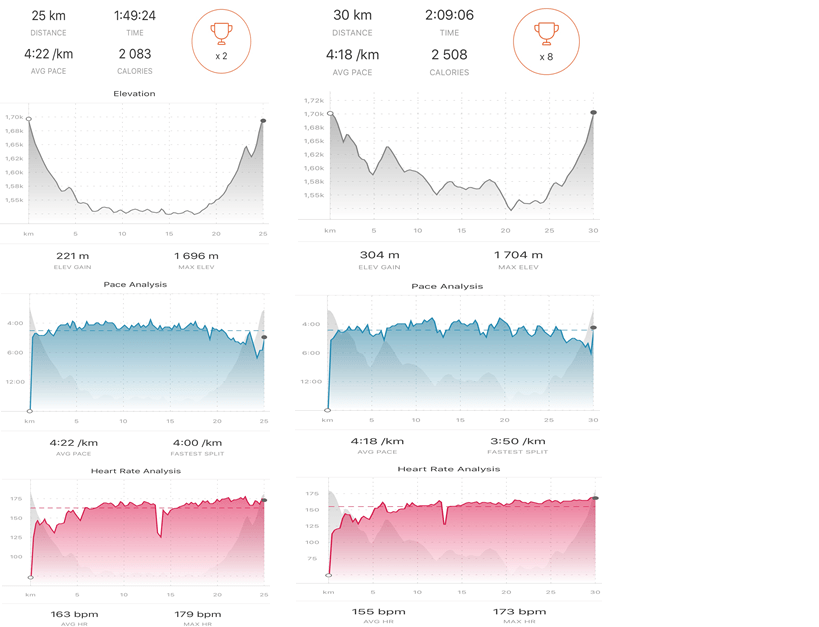
“RACE FOR VICTORY”

Throwback to 2013 the Yarkon 25km trail race.
Nerves through the roof not so much due to the race but more for the last year of a severe illness. You see in 2000 I contracted a water-borne virus from my daughter which left me bed ridden for quite a while. The medical specialists that ran a major battery of tests on me over the weeks that followed failed to pinpoint the cause of the problem. All I knew was I was suffering badly and was concerned about my future I had absolutely no hope. I had to make a harsh decision and take complete control which would not just change my life but also my career. Each year I would be hit with another attack by this invader in my body trying to subdue me and take complete control. The roller coaster ride and massive doses of antibiotics and tetracyclines along with many other treatment protocols was just an absolute journey of hell and I realized I was going to be in a life long war with this internal enemy. Becoming a physiology expert and sports nutritionist was not an accident it was a path I chose to win the war and to help others win theirs. After years of fighting I eventually triumphed and landed up with a relatively calm period. However in 2012 the invader had spent years strengthening its forces silently and when it was ready, it unleashed the most lethal attack on me that left me for the better part of 6-7 months virtually bed ridden and barely surviving from day to day. I nearly gave in, but then decided to pull out all the ammunition I had and give this bastard another war it would never forget.

Fast forward to September 2013, I hadn’t raced in a long time, I had been training again and felt stronger. I was invited to attend this race by a friend and I told him I would join, but run at a comfortable pace. I was nervous because all that was on my mind was the war I had just been in and the fact that after all I had been through, was this race going to be the trigger to knock me back down, would I even finish it. I withdrew from it a thousand times in my head. On the day I didn’t know how I felt. It had been so long since I actually felt normal.

A short warm up run and then off to the start line with all the other hundreds of runners. My heart and mind were in a mode of not knowing what to expect and I had to keep reminding myself this was just a training run. Take it easy, pace yourself and get through it.

It was a very hot time of the year and the race began very early in the dark of the morning to avoid the heat as much as possible. Waiting there suddenly the gun went off.

I have absolutely no idea what went through my mind but I switched to a completely different mode. I just saw a group of three guys running off and I ran after them. Everything I felt fear and anxiety for, just switched off and I chased them down. They were around a hundred meters ahead and we were now full on the trail with not much space either side. Suddenly my watch vibrates, 4:04 pace it shows and I am thinking what the hell are you doing Mark? You said you would run a comfortable pace and this is kilometre one. I just ignored it and ran after the group and at the 2nd kilometre I was just behind them. My watch buzzed again and this time a 3:56 split. I was feeling surprisingly stable and my competitive nature just completely overpowered my body and I ran up to the group.

There were two runners in the front and myself and another guy behind all running in unison over the dry sandy river bed beneath. In the corner of my eye I noticed the runner behind with me was wearing a cycling vest with open pockets to carry his race fuel. It was then I realised this guy was not a “true runner” and I had this feeling he was going to struggle soon. Maybe that was the arrogant part of me but I am very strategic when it comes to training and racing and this was my gut feeling. My Garmin vibrates for the the third split and now we are at 3:51 pace. I was settling in slowly. The terrain was not easy, lots of loose sand but I had chosen a very light weight race shoe instead of a full blown heavy trail shoe to help with the foot lift in the aim of skipping over the really soft sandy areas on the track.

The sun began to rise and as we started to approach kilometre five I heard sudden breathing changes in the athlete next to me. I knew this meant he was done for it was just a matter of when. Over the next kilometre I could sense the struggle in him as he was dropping off and trying to run back. He was burning big matches and he eventually fell off the back permanently. It was game over for him.

The problem I was faced with now was that there were three of us. Yes, 1,2,3 all podium positions and when you are in a situation like that you never want to let it go. The race was an out and back to make up the 25km. I began to strategize and decided to try to hang on as long as possible with these youngsters, especially to the turn around point, as then I could see the gap behind us as we headed back towards the onslaught of the pursuing  runners.

At the 10km mark we still hit 3:50 splits and I was thinking this is super fast for a trail. Although fairly flat and not overly technical the legs had to work hard over the different planes due to the differentiating and uneven surfaces. We started nearing the turn around point and I was still feeling good except when we hit the feeding table at the 11km mark the volunteers had not set up yet. They didn’t realise we would get to them so quickly  and that made me very angry as I had just missed a crucial feed and hydration point. So I would have to try hit them again on the way back and hope I could hang on. Then it came, the turn around point, the three of us soldiering on and I started the gap timing. I wanted to see who was hunting us and how far behind they were. Eventually it came the first hunter was around 4 minutes behind us with around +-11km to go. I did a quick calculation in my head based on time and distance and realised that even if he was a Kenyan marathon runner he was not going to catch us.

All I had to do now was hang on and not crash and burn. As our trio kept on we eventually realised that the race was now between us and new tactics were going to start playing out soon. At kilometre 21 the race heated up and one of the guys went off the front, number two then followed and as much as I tried to stick with them I was left on my own. They had dropped me and the fight for 1,2 was now not in my hands. With around 2km’s to go I was now feeling the pain, I had not hit a single feed table on route and I could feel my glycogen stores were dwindling to the point of no return. All I could do was dig deep and suffer it out. The thing about being in the hurt zone is that 1 or 2 kilometres don’t sound like much but in actual fact every second is excruciatingly painful once you are there. A kilometre feels like forever. It is a fact that he who can suffer the hardest and longest will win.

Nearing the trail exit I could feel the finish line getting nearer and soon I could see it. All I could think of is getting there so I can start breathing again and allowing the legs to stop working. As I approached the 50 metres to go I had an overwhelming feeling come over me and I completely broke down. Tears followed my final footsteps to the finish line. It wasn’t because I was on the podium, but more due to my victory of the war I had been fighting for so many years. I again had shown the invader I was triumphant over it. I never dreamed this moment would be possible. Lying bedridden down and out leaves you with a sense of hopelessness. However this exact moment in time was the tipping point it was my victory. They always say when you get knocked down just get back up and show them. But sometimes people get knocked down so many times it is a lot easier said than done. On this day I realized that it can be done.

This race was probably the most special I have ever done. It was a moment of survival of victory and one of absolute gratitude for the blessing of being able to have come back to health. Over the years I was invited to return to participate in this race a number of times. I don’t think I ever will. This race always has a special place in my heart it was the pinnacle experience that will need to stay etched inside forever.

In the end I finished 3rd overall, running the 25km trail in 1h42 and finishing just 90 seconds behind the winner.

“Value your health without it there is no hope”

all the best

M

Mark Wolff is a certified exercise & sports nutritionist, endurance nutrition and physiology expert with over 20 years experience. An endurance multi-sport athlete with a running, triathlon, mountain biking and weight lifting background, he works extensively with professional and amateur athletes in a variety of sports disciplines as well as those just wanting to change their lifestyles. He firmly believes that a person can only reach their full potential when their health and nutrition is given the proper focus. Mark’s focus on nutrition and physiology is not just on training and racing, but he places major emphasis on recovery, immune system health, emotional stability, stress management and performance. Mark is co-founder of 32Gi, a sports nutrition company, focused mainly on health and endurance nutrition. He is also co-founder of Rapid Recover focussed on pneumatic compression equipment to improve circulation for recovery and health.


Categories
Health Nutrition Performance

ENDURANCE VS ALCOHOL

Over the years I have had the good fortune of engaging with endurance athletes constantly. The talks I give around endurance health and sports nutrition always come up with a common question surrounding alcohol consumption. I am not going to sugar coat my answer, I say it as it is and in this blog I will spell out the good, bad and ugly around the issues associated with alcohol consumption and endurance sport.

Firstly we know from medical research that frequent consumption of alcohol can increase the risk of mortality and this should not come as a surprise to anyone. Men can tolerate a higher intake than women so relatively speaking women have a higher mortality rate for equal consumption volume than men. This does not mean the male population should go out and start racking up a large amount either because a small unit amount is the cut off before the mortality risk begins to rise and it seems men are far worse for wear as far as the stats go. Globally a large percentage of deaths are directly associated with alcohol consumption and one of the latest research reports on the global burden of disease study in the medical journal The Lancet states the following

“Our results show that the safest level of drinking is none. This level is in conflict with most health guidelines, which espouse health benefits associated with consuming up to two drinks per day. Alcohol use contributes to health loss from many causes and exacts its toll across the lifespan, particularly among men. Policies that focus on reducing population-level consumption will be most effective in reducing the health loss from alcohol use”. The full publication can be read here.

However alcohol or no alcohol my focus in this blog is around the impact of alcohol in endurance sport.

So let’s begin with the fact that it is the pleasure of most athletes to enjoy a beer or plenty more after the finish line of a race. When I raced overseas in Germany which is a big beer drinking nation I also had the pleasure of being offered a beer at the finish line however it was an alcohol free beer, which of course would not have had any negative impact on my recovery. However the alcohol certainly will.

Let us have a look at my major topics of recovery and see how in each case what the impact is.

Hydration 
Athletes finish training sessions or races in a dehydrated state. First step of recovery is to rehydrate properly.
Alcohol however is a diuretic. Basically this means what you take in will not aid hydration but hamper it and cause more fluid loss. Failing to hydrate properly post event will leave you feeling terrible the day after and the delayed onset of muscle soreness will be in an exaggerated state.

Glycogen Replenishment
One of the human body’s most important fuel tanks is the glycogen tank. A major source of energy supply and certainly a main contributor to fuelling the energy system during exercise and especially racing. Glycogen of course is primarily stored in the form of water, so failing to hydrate properly post session will definitely mitigate the proper replenishment of glycogen stores. In actual fact alcohol will definitely inhibit the re-synthesis of liver glycogen  and research has shown that it can take nearly twice as long to replenish the glycogen stores in an athlete that has consumed alcohol in comparison to an athlete that has not. This means if you are in the middle of peak training or back to back racing you can rest assured this will impact you significantly. Over and above this I often get told beer and wine is an excellent source of carbohydrates. You joking right? It is absolutely not a good carbohydrate source required to replenish glycogen.

Muscle Protein Synthesis (MPS)
An important part of recovery post exercise is of course muscle tissue repair. This requires proper nutrition meaning the building blocks of muscle being in the form or branch chain amino acids to be able to properly do their job. Some research has demonstrated that consuming alcohol post-exercise can suppress anabolic responses in muscles which means failure to repair properly and of course this prevents progress in the form of gains from exercise sessions. So yes this means your beer in one hand and steak in the other won’t cut it, your process is flawed.

Rest
The best way to recover post exercise of course is rest. I often stress one of the window periods of recovery is the sleep window and protein consumption prior to sleep can be of major benefit in enabling proper restoration and repair to the body. That is of course assuming you do sleep. However alcohol consumption interferes with proper sleep and completely removes the benefit of proper rest to recover between sessions.

Inflammation Reduction
Post exercise niggles often occur especially in field sport and areas of the body are often in an inflamed state which means that sometimes a reduction in inflammation is required. The sporting teams I work with use many types of methods to try to reduce inflammation post exercise one being an ice bath. However the problem is alcohol is a vasodilator which means it allows a rush of blood to the areas completely contradicting the treatment to reduce inflammation. This explains quite clearly that if you are injured and consuming alcohol it will slow down that healing process.

The Mental Game
Its a fact that endurance performance is very much mind driven. The ability to perform at a high level comes with complete focus and determination. Alcohol of course removes the ability to focus properly as well impairs co-ordination which can lead to the risk of irregular plane movement increasing the risk of injury.

Now that you understand the benefits of alcohol consumption in endurance sport its quite easy to decide how to use it to your advantage. Oh wait a minute I did not give you any benefits ;-).

Ok, lets be clear alcohol is not the best for sports performance and yes I am sure you will tell me many stories of athletes who performed under the influence of alcohol and it is their go to fuel and recovery meal. On the other hand I can assure you the stats are not in their favour from a health perspective and their later years will most likely see issues arising. I will admit though that alcohol does have a very large part to play in social circles and get togethers where people will relax, smile, laugh and interact. Of course happiness and stress relief is an important part of life and can offer longevity.

My advice as an athlete is to limit your intake significantly. Once in a while enjoy a glass of wine or a beer. Keep it as far away from long or quality sessions as possible and absolutely keep it out of race week. Most importantly ensure for every unit of alcohol you consume you take in a much larger amount of fluid to counteract the dehydrating effects.

Moderation is key and health always comes first.

Below is a nice infographic by Dr. Yann Le Meur (Sports Scientist)
Showing the impact Alcohol has on Sports Performance & Recovery in male athletes

all the best

M

Mark Wolff is a certified exercise & sports nutritionist, endurance nutrition and physiology expert with over 20 years experience. An endurance multi-sport athlete with a running, triathlon, mountain biking and weight lifting background, he works extensively with professional and amateur athletes in a variety of sports disciplines as well as those just wanting to change their lifestyles. He firmly believes that a person can only reach their full potential when their health and nutrition is given the proper focus. Mark’s focus on nutrition and physiology is not just on training and racing, but he places major emphasis on recovery, immune system health, emotional stability, stress management and performance. Mark is co-founder of 32Gi, a sports nutrition company, focused mainly on health and endurance nutrition. He is also co-founder of Rapid Recover focussed on pneumatic compression equipment to improve circulation for recovery and health.


Categories
Nutrition Performance Training

ULTRA PITFALLS – WHAT COULD HAVE GONE WRONG AT YOUR COMRADES MARATHON?

As a sports nutritionist, endurance & physiology expert with a deep understanding of how the body responds to energy and hydration requirements during endurance events, especially Comrades Marathon where I have had the opportunity to work with hundreds of amateur and professional athletes over the past decade, I know how crucial nutrition and training is. I have witnessed first-hand how it’s played the biggest role in the collapse and eventual breakdown of even the best of runners when they get it wrong.

Comrades 2018 is now over. One of the largest fields in the history of the race left some elated with their results and others wondering how the wheels fell off so quickly. I decided to write a blog to try to clarify and explain several pitfalls and possibly assist you in understanding where you could have gone wrong or how you can improve for the next year.

Let’s look at the Comrades Marathon route. A down run with plenty of mountains in the first half only to much later dip rapidly downhill to the coastal plain where the race profile is tamer than what was experienced in the first 50km’s.

Pacing
The first aspect I always look at is pacing in the first half of the race. I was told by one athlete prior to Comrades that in the first half he was going to run quite a bit faster than his goal pace while his legs were fresh and then hang on for the second half. I told him that will never happen. Those awesome seconds he banked in the first half will be minutes if not hours in the second and any experienced Comrades runner knows that the dreaded down needs to be run conservatively in the first half.

Temperature Variance
One thing any down run Comrades runner expects is to freeze at the start and suffer the heat at the end. This year it was cold at the start not as cold as I have felt in previous years but cold enough to lower the sweat rates of the body and as the day progressed the temperature did not climb that high it stayed cool on route with a gentle cool wind blowing most of the day. Probably the lower of temperatures I have experienced on race route in the past ten years. Why is this crucial? Quite simple temperature plays a direct role in how the body will respond to hydration requirements to keep it cool. In hot temperatures there is direct response to heat where heart rate is elevated, and more fluid is lost in the form of sweat to aid the natural cooling system of the body. The hotter it is the higher the heart will perform at a given pace. In cooler conditions the heart rate will be lower, so perceived effort is lower allowing an athlete to sometimes push harder if he is using heart rate as a measure of effort. This is mistake number one and ties directly into the pacing above. I will use a simple example below to demonstrate what I mean.

Below are two running sessions I did with a sub 6hr Comrades runner in the beginning of the year while he was building for the big day.

The Strava segments below are quite straight forward. Both are controlled runs. The one on the left was a 25km run 221m of elevation at an average pace of 4:22. The average heart rate for this run was 163 BPM (Beats Per Minute) as shown in the heart rate chart below.  On the right side is a longer route of 30km with much more elevation and you will notice the pace for the 30km run was faster than that of the 25km run. However, the interesting part is that the slower paced shorter run with less elevation had a much higher average heart rate.  A difference of 8 BPM which is quite significant. Someone said its because you were fitter in the second run, but not, as these were a week apart and fitness doesn’t change that rapidly. The main reason is that the average temperature in the first run was hotter than in the second run. Temperature increase equates to higher heart rate, higher perceived effort which spins into the slower pace.


The above is purely a graphical representation of how at Comrades Marathon if you did feel like you were in control of the pace due to effort you might have gone slightly faster under cooler conditions without realising it as it was cooler on the day.  If this is the case and your muscles were not conditioned for the faster pace over time I can with absolute certainty say the muscles were going to fatigue earlier on and your race would be a sufferfest from that point on. You need to understand how temperature affects the body under stress and adjust pace accordingly this could be one reason for having a bad day out.

Pre-Race Fuelling
I have witnessed the most horrific fuelling strategies on race day and seen how sick people get on the course. The interesting thing is it all starts with the pre-race meal on the morning of the race. Firstly, the meal needs to be tried and tested and many runners suddenly do a switch on race day which can lead to major discomfort later.

Whether a low carb or high carb eater I always advocate a meal of around 1-4grams of carbohydrate intake per a kilogram of body weight around 1-4hrs before an event.  The lower end if you are a lower carb eater and only if you have tried and tested it you can go to the upper end but a higher intake closer to the 4hr mark and lower intake closer to the event. Secondly, we are talking very easily digestible carbohydrates, low in fibre so as not to irritate the bowels. I advocate protein intake as well for long events and would look at a 3:1 or 4:1 carb to protein intake and if you do consume protein then easily digestible lean protein (low to no fat) nothing heavy that would sit and create discomfort. I am not a fan of high fat intake prior to an event, it takes a long time to break down and it can lead to the onset of GI (gastric intestinal) distress during the race. At 2am each year I join the masses in the hotel breakfast room and watch with curious intent at what each person is consuming pre-race. I don’t look at it emotionally I look at it from a performance perspective. Very often I can see by what an athlete consumes whether they will have a bad day or good day out as that can be the first mistake they make on race morning. If you had a rough stomach day think back to what you ate on race morning. It might have been something simple like oats which you might have had before but the question then is which oats did they use? How did the cook it? In water or milk? If milk which milk low or high fat? How long before was it prepared? All these factors can influence a 90km trot. Best is to be prepared.

Race Fuelling
An ultra-marathon is tough. It’s tough on the body and tough on the mind. It’s a long journey which requires optimal fuelling. On Comrades day pace and preference will determine fuel intake. The elite athletes I work with will have liquid feeds on route as their airways need to remain open at all times to allow maximum oxygen uptake to support their efforts. The slower back packers can easily afford to chew or bite on food solids and often walks through water tables allow for this.

The two biggest mistakes in fuelling on race day are over fuelling and nutrient timing.  Let’s look at over fuelling first. Taking in too many carbohydrates during an endurance event can certainly lead to digestive discomfort, but it can also lead to nausea and dizziness. Finally cramping can be triggered by a glucose overload in that it can cause an overly hypertonic environment in the digestive tracts and mitigate optimal fluid uptake from taking place leaving the muscles depleted and in a very unhappy state. How many grams of carbohydrates did you consume per an hour on race day? I feel anything between 30-60grams is more than enough for a runner. Some athletes do go higher and anything on the high end will have to be tested way before race day to see how the digestive system copes with the volume of carbs consumed. It’s not about how many carbs you stick in your mouth but more about what the body is capable of absorbing and processing for use.  How do you prevent over consumption and still maintain a steady flow of energy and remain comfortable? It’s quite simple it’s about nutrient timing and it’s called drip feeding. Split the feeds into smaller more frequent meals over time to allow for the already stressed digestive system to absorb and use the intake without causing any havoc. Over and above that you will be shortening the peaks and troughs of the blood sugar rise and fall, and this will allow for a more balanced energy effect. So, when consuming a gel its better to go with a third to half of a gel every 20-30min as opposed to one gel every 45 minutes. The next statement I am going to make might upset a few runners, but a gel is not a suitable feed for a slow runner over a long period of time. We hardly feed the elite athletes gels on route, they prefer a more balanced approach to fuelling and try to combine the hydration and fuelling together by using various prepared solutions on route which start off more hypertonic in nature when cold and then slowly evolve to isotonic and hypotonic solutions when the temperatures climb later in the event. Options on route are a must as with weather conditions you never know what to expect over time. Comrades marathon isn’t primarily a glycogen fuelled effort but more of a fat tank fuelled effort and so I advocate fuelling accordingly to maximize fat oxidation. If you are not sure about the human fuel tanks used during sports performance, then check out my video on Getting into the Zone where I explain how they work.

Protein Intake
Did you take in protein on the Comrades route? I can promise you if you didn’t then the fatigue would have set in a earlier than an athlete that did take it in. In fact, all the front runner elite athletes we fed on route were mainly fuelled with a protein shake I made up specifically for them, including Bongmusa Mthembu the winner on the day. I used 32Gi Recover 2 scoops to 200ml of fluid with 95mg of caffeine in the form of TrueStart Coffee mixed into it. Why did I do that? Simple I want the runners to get in around 5-6grams of protein minimum per an hour with the carbohydrates in the mix. (check out my video on 32Gi Recover discussing the need for it during an event) Nutrient delivery is optimal, and the intake of protein can lead to the delayed onset of muscle fatigue by delaying muscle protein catabolization as well as keep any hunger at bay. On average an elite athletes will take in around 6-12grams of protein per an hour and around 20 – 50grams of carbohydrates and anywhere from 95-120mg of caffeine. What is interesting about this number is it’s not high at all and yet it’s perfectly suited to the winning performances we see every year. Most slower runners consume way more. The slower amateur athletes I did advise to consume protein on route at least at the 30-40km mark and then 50-60km mark all gave very positive feedback as to how it was a game changer for them on the day and how much they enjoyed the feeling of it. It certainly made a difference on the day.

Hydration
Hydration to me is the more crucial aspect of Comrades Marathon in that you have sufficient fuel in your natural fuel tanks in the form of glycogen and fat to get you to the finish line and hydration will play an even more important role on the day. It is not possible to replenish all the fluid lost in the form of sweat during exercise, but we aim for an 80% replenishment. To do this water consumed on its own will not achieve this as it has a slower absorption rate than a mineral or isotonic carbohydrate drink. When I feed elite athletes, I do not allow pure water consumption unless it’s with some sort of a carbohydrate or mineral rich product which will help pull the fluid out of the digestive tracts into the system. I prefer a hypotonic drink as a means of hydration as it is designed to maximize fluid absorption. Drinking water on its own will sit in the stomach and take its time to get out if there is nothing assisting it. This can lead not just to stomach discomfort and a washing machine effect with fluid sloshing around inside, but it can also place strain on the kidneys and could ultimately be a trigger of hyponatremia (overhydration) which can lead to illness and in severe cases death. In our case we use 32Gi Hydrate for seconding which is a pure electrolyte solution with a decent sodium content to ensure rapid fluid absorption. (Check out my blog on Hydration to get more in-depth understanding)

Caffeine
Did you take in caffeine on race day? It can be in any form and many forget that even coke contains caffeine. So the low down on caffeine is such. Firstly it needs to be tried and tested, it is acidic and if you don’t tolerate it well it can cause digestive issues. Secondly caffeine is one of those stimulants that once consumed will metabolize over an approximate time of 60 minutes meaning that once you get the rise you will get the fall. If you start taking it in you need to keep taking it in prior to the 60 minute life, otherwise you will hit a downer. When taking in caffeine understand once you start you need to keep going. Some runners will take much later in the race when they need it and there are those that take all the way through. If you did consume caffeine early on but did not continue with it you might have felt the dreaded crash.

Every year on Comrades route nausea and cramps takes its toll on the masses of runners that haven’t practised proper fuelling strategies and have just read the packaging directions on a product. The problem is the packaging on a product does not know you are running a 90km run over so many hours and so it is of prime importance to ensure you have planned, tried and tested your fuelling strategies under various conditions before you get to race day to ensure you don’t land up in the pitfalls of the many that do.

If Comrades was a good day out for you that’s great and maybe you had everything properly planned or you did fall victim to some of the issues on race day and managed to overcome them. Possibly you can do much better next year with a better prepared and properly planned strategy to tackle the up run. If you were one of those that had a miserable day out I can pretty much bet, you were under prepared from a training and or nutrition perspective and this is your opportunity to think very carefully about how you can better tackle an ultra-event the next time you do.

In the meantime well done to all the finishers, recover well and yes this does require proper nutrition as well 😉. Get proper rest and begin an active recovery program when ready and make sure you plan better for next time.

All the best

M

Mark Wolff is a certified sports nutritionist and an endurance nutrition and physiology expert with over 20 years experience. An endurance multi-sport athlete with a triathlon, mountain biking and weight lifting background, he works extensively with professional and amateur athletes in a variety of sports disciplines as well as those just wanting to change their lifestyles. He firmly believes that a person can only reach their full potential when their health and nutrition is down packed. Mark’s focus on nutrition and physiology is not just on training and racing, but he places major emphasis on recovery, immune system health, emotional stability, stress management and performance. Mark is co-founder of 32Gi a sports nutrition company, focused mainly on health and endurance nutrition.